Zara Home has quietly become one of the most accessible sources for European-inspired home decor in North America, and if you haven’t explored their offerings yet, you’re missing out on a treasure trove of coastal-friendly pieces at surprisingly reasonable prices. The Spanish retailer, known for bringing runway trends to everyday wardrobes, applies that same philosophy to home goods with collections that refresh every few weeks.
What sets Zara Home apart is its ability to capture that effortless Mediterranean aesthetic that translates beautifully to Southern coastal homes. Think crisp linen bedding in sun-bleached whites, rattan accents that wouldn’t look out of place in a Lowcountry sunroom, and ceramic pieces with the organic, handcrafted feel we love without the artisan price tag. Their inventory moves fast, which means you won’t find the same mass-produced look in every home on your street.
As of 2026, Zara Home operates standalone stores in major North American cities and maintains a robust online presence that ships across the continent. You’ll find everything from throw pillows and tableware to furniture and lighting. The quality sits comfortably in the middle range, better than big-box retailers but more accessible than high-end boutiques.
For those of us drawn to airy, light-filled spaces with natural textures and a lived-in elegance, Zara Home delivers options that complement rather than compete with the architectural charm of Southern homes. The key is knowing what to buy and what to skip, which we’ll explore in detail.
What Makes Zara Home Decor Different from Traditional Home Stores
Walk into a Zara Home, and you’ll notice something immediately: it feels nothing like browsing Pottery Barn or Crate & Barrel. The displays change constantly, the collections rotate with the seasons, and there’s an urgency to the shopping experience that traditional home stores don’t have. That’s because Zara Home operates on Zara’s fast-fashion model applying the same rapid-turnover approach to pillows and bed linens that revolutionized clothing retail.
Instead of releasing two or three major collections per year like most home retailers, Zara Home refreshes its offerings continuously. You might find a gorgeous linen duvet cover one month, return six weeks later, and it’s replaced by something entirely different. This creates a “buy it now or miss it” mentality that keeps the inventory fresh but requires a different shopping strategy than you’d use at traditional stores where core pieces stick around for years.
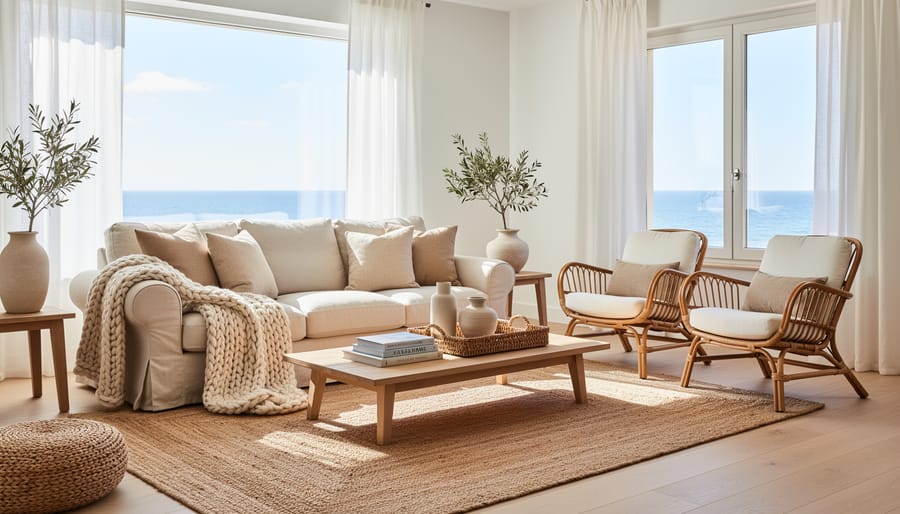
The aesthetic itself sets Zara Home apart, too. While American coastal design has long leaned toward bright whites, crisp blues, and nautical stripes, Zara Home brings a distinctly European sensibility rooted in Mediterranean living. Think warm neutrals instead of stark white, natural linen with visible texture rather than polished cotton, and organic shapes that feel collected rather than matched. Their color palette, sandy beiges, terracotta, soft grays, muted olive, complements Southern humidity and coastal light beautifully without the sometimes-sterile feel of traditional coastal decor.
The emphasis on natural materials runs through every collection. Rattan, jute, unfinished wood, stone-washed linen, and woven cotton dominate. These breathable, tactile fabrics work exceptionally well in Southern climates where heavy textiles feel oppressive half the year. A Zara Home linen throw doesn’t just look relaxed; it actually keeps you cooler than synthetic alternatives while adding that lived-in texture coastal interiors crave.
The Zara Home Expansion: What’s Available and Where
Finding Zara Home in North America has gotten significantly easier since the brand’s Canadian expansion in 2026. After years of shoppers placing international orders or scouring resale sites, physical stores finally opened north of the border, bringing the collection within reach for more homeowners drawn to its Mediterranean-inflected style.
Canada now has two standalone Zara Home locations. The first opened at Toronto’s Yorkdale Shopping Centre on August 22, followed by a second at Carrefour Laval in Quebec on August 29. These aren’t small corner shops tucked into existing Zara fashion stores, they’re dedicated home decor destinations showcasing the full range of what the brand offers.
| Location | Opening Date | Available Categories |
|---|---|---|
| Yorkdale Shopping Centre, Toronto | August 22, 2026 | Bed Linen, Furniture, Baskets, Towels, Toys |
| Carrefour Laval, Quebec | August 29, 2026 | Bed Linen, Furniture, Baskets, Towels, Toys |
| 72 Walker St, New York | March 13, 2026 (Pop-up) | Colin King Collaboration (Limited) |
For those outside Canada, online shopping remains the primary access point through Zara’s website, which ships to the U.S. and includes a dedicated Zara Home section. The product categories span bed linen, bath towels, furniture pieces, decorative baskets, and even children’s toys, enough variety to refresh a room or supply an entire home.
New York got a taste of Zara Home through a one-day Colin King collaboration pop-up on March 13 at 72 Walker Street, running from 11:00 AM to 7:00 PM. While temporary, these partnerships signal growing interest in bringing the brand’s aesthetic to American shoppers beyond e-commerce.
Coastal Design Meets European Minimalism
Linen and Natural Textiles for Southern Climates
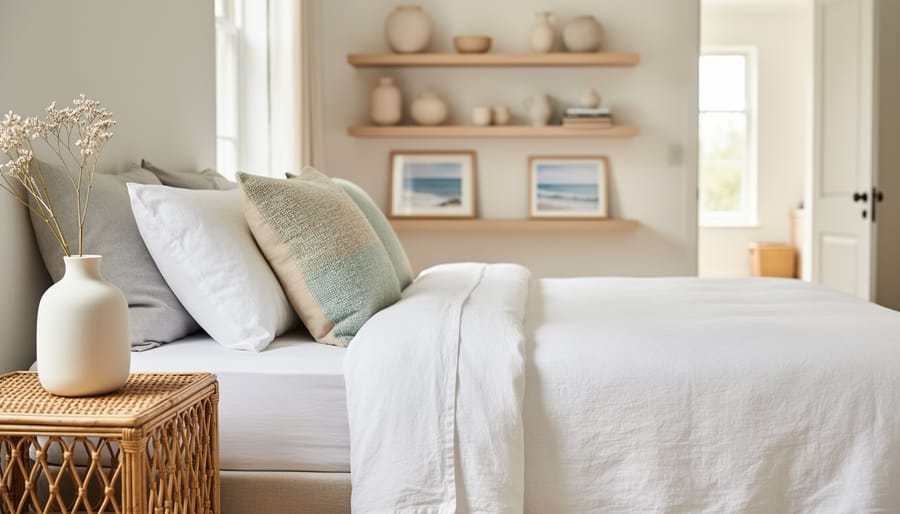
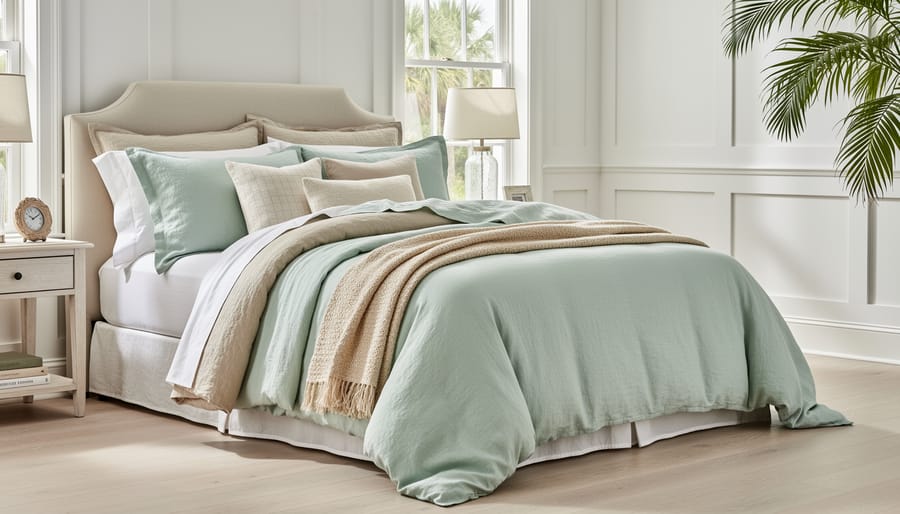
Southern humidity demands fabrics that breathe, and Zara Home’s linen collections deliver exactly that with a European sensibility that elevates everyday comfort. The brand’s extensive range includes bed linens, duvet covers, throw pillows, and table textiles in that signature rumpled, lived-in texture that actually improves with washing, a practical luxury for homes where air conditioning runs from April through October.
What sets these pieces apart is the weight and weave. Zara Home favors mid-weight linens that drape beautifully without feeling heavy, making them ideal for layering on beds even during warm months. The natural fiber wicks moisture and releases heat, which matters more than aesthetics when you’re trying to sleep through a Gulf Coast summer night. Stone-washed finishes mean the fabrics arrive soft rather than stiff, skipping that break-in period entirely.
The color palette leans heavily into the sand, oyster, and weathered white tones that anchor coastal Southern design plans but with subtle striping and textural details that add visual interest without busy patterns. Mix these with your existing cotton or quilted pieces to introduce that relaxed Mediterranean quality without overwhelming your space or budget.
Bringing Mediterranean Warmth to Coastal Spaces
Zara Home’s Spanish heritage brings something unexpected to coastal interiors: a sun-baked warmth that actually deepens the beachy aesthetic rather than fighting it. The brand’s Mediterranean roots show up in terracotta planters, hand-woven seagrass baskets, and those rounded ceramic pieces that look like they’ve been shaped by artisan hands. These elements echo the same organic, texture-driven approach that makes bohemian coastal decor so appealing, just with a more refined European lens.
What works beautifully is how Zara Home’s warm neutrals, burnt oranges, and clay tones ground the sometimes-cool palette of traditional coastal design. A terracotta vase alongside bleached driftwood creates visual interest that neither could achieve alone. The woven textures, whether in lampshades or storage baskets, add the layered, collected-over-time feel that Southern coastal homes do so well. It’s less about importing a Mediterranean villa wholesale and more about borrowing the relaxed, sun-soaked elements that translate perfectly to a Southern porch or beach cottage bedroom. The organic shapes and natural materials bridge both aesthetics seamlessly, creating spaces that feel traveled and thoughtful rather than theme-driven.
How to Shop Zara Home Decor Strategically
Shopping Zara Home successfully means understanding its rhythm. Collections rotate quickly, typically every four to six weeks, so when you spot a piece that works for your space, grab it. That linen throw pillow or woven basket won’t stick around for months of deliberation. Check the online shop weekly if you’re hunting for something specific, and don’t wait for markdowns on core items you genuinely need.
The smartest approach treats Zara Home as your source for refreshers, not foundations. Use it for contemporary accessories that update a room’s look, cushion covers, lightweight throws, small decorative baskets, or seasonal table linens. Save your bigger budget for quality sofas, beds, and case goods that need to last decades. A $40 linen pillowcase from Zara Home paired with your grandmother’s quilt creates exactly the mix that makes Southern interiors feel collected rather than catalog-ordered.
Resist the temptation to buy an entire room’s worth in one go. Zara Home’s aesthetic leans minimal and European, which can feel stark if you go all-in without anchoring pieces. Start with two or three items that complement what you already own. A set of natural fiber placemats might be perfect, but buying matching napkins, runners, and centerpiece baskets risks that over-coordinated hotel look. Your space should still feel like yours, just freshened up.
For Southern homeowners working with humidity and sun exposure, focus on Zara’s natural materials, linen, cotton, rattan, and unfinished wood hold up better than synthetic blends in our climate. Skip purely trendy colors in larger pieces and stick with their neutral foundations: warm whites, sandy beiges, soft grays. You can always add pops of color through smaller, easily swapped items when the mood strikes.
Best Zara Home Pieces for Southern and Coastal Interiors
The key to shopping Zara Home successfully for Southern and coastal spaces lies in choosing pieces that enhance rather than compete with your existing design foundation. Start with bed linen, Zara’s lightweight linen duvet covers and cotton-blend sheets breathe beautifully in warm climates while adding that relaxed, lived-in texture that feels right at home in coastal bedrooms. The brand’s neutral bedding in whites, soft beiges, and muted blues layers seamlessly with existing quilts and throws without overwhelming smaller bedrooms common in Southern homes.
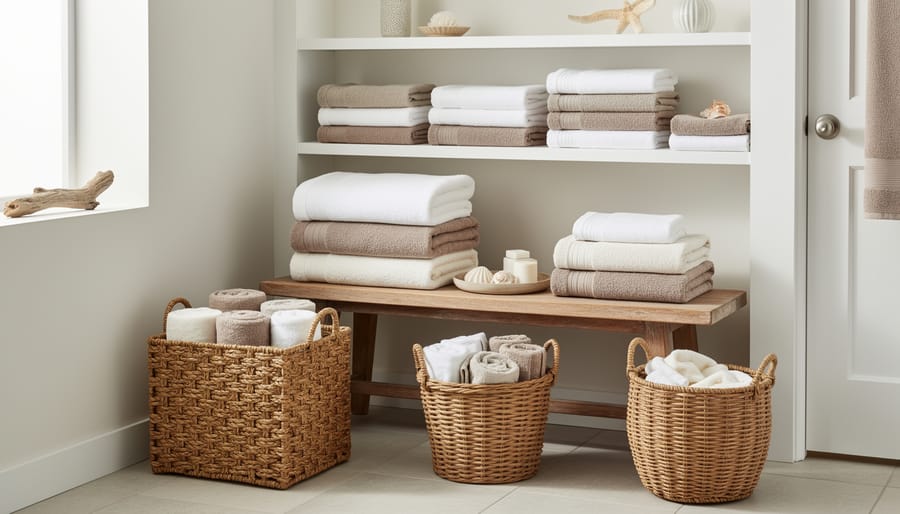
Natural fiber baskets rank among Zara Home’s strongest offerings for our climate and aesthetic. Look for seagrass and jute storage baskets in various sizes, they handle Southern humidity better than paper alternatives, add warmth to open shelving, and bring in that organic texture coastal design craves. These work particularly well in mudrooms, laundry areas, and under console tables where you need functional storage that still looks intentional.
Bath linens deserve attention here too. Zara’s Turkish cotton towels balance the absorbency you need in humid climates with a weight that dries reasonably quickly. The waffle-weave options add subtle texture that complements beach bathroom ideas without introducing busy patterns. Stick with whites, natural tans, or soft grays that coordinate across multiple bathrooms.
For furniture, approach selectively. Zara’s rattan and wood accent pieces, small side tables, stools, and shelving units, integrate well into coastal rooms as supporting players. These work best when you’re refreshing a space rather than furnishing from scratch, adding European polish to established Southern comfort without demanding center stage.
What Zara Home Gets Right (and Where It Falls Short)
Zara Home hits a sweet spot that many Southern homeowners appreciate: they deliver current design trends at prices that won’t make you wince when your toddler spills sweet tea on that new throw pillow. Their strength lies in making European-inspired coastal style accessible, a linen duvet cover or rattan basket that captures the look you’ve been pinning without the designer price tag. The quality basics, particularly their natural fiber textiles and simple ceramics, punch well above their price point and hold up respectably in real-life Southern homes.
That said, this is still fast fashion applied to home goods, and the trade-offs are real. Durability varies wildly across categories; that beautiful linen might last for years, while decorative items and some furniture pieces can feel disappointingly flimsy once you get them home. The sustainability angle is tricky too, frequent collection drops encourage buying more than you need, which sits uncomfortably with the timeless, heirloom approach many Southern homes embrace. You also won’t find the deep customization options that local makers or traditional home stores offer, so if you need specific measurements or want to tweak colors, you’re out of luck.
- Affordable prices make refreshing multiple rooms feasible on a realistic budget.
- On-trend designs bring current European coastal aesthetics to Southern homes quickly.
- Quality natural textiles like linen and cotton rival more expensive brands.
- Easy online access means you can shop without driving to specialty stores.
- Durability concerns with furniture and decorative items that may not last through humid Southern summers.
- Fast-fashion model encourages disposable decorating rather than lasting investment pieces.
- Limited customization options compared to local craftspeople or traditional retailers.
- Sustainability questions around frequent production cycles and overseas manufacturing.
The smart approach is treating Zara Home as one tool in your decorating toolkit rather than your only source. Use it for trend-driven accents and affordable basics you’ll swap out seasonally, but anchor your rooms with investment pieces built to last. That strategy lets you refresh your coastal interiors without sacrificing the enduring quality that makes a Southern home feel rooted and real.
Zara Home’s arrival in North America isn’t just another retail expansion, it’s a genuine opportunity for Southern and coastal homeowners to refresh their spaces without the hefty price tag or the pressure to overhaul everything at once. The beauty lies in the mix. You don’t need an all-Zara room to benefit from what the brand offers. Instead, think of these pieces as the fashion-forward accents that update your timeless coastal foundation.
Start with one or two items that speak to you, a set of linen pillowcases, a handwoven basket, or a terracotta accent piece, and see how they layer into your existing style. The European influence brings a fresh perspective to our traditional Southern aesthetic without erasing what makes it special. Your grandmother’s heirloom sideboard looks even better styled with Zara’s modern minimalism. Your beachy neutrals get a bit more sophisticated when you add those Mediterranean textures.
The trick is staying grounded in what makes Southern coastal design enduring: natural light, comfortable livability, and that effortless connection to the outdoors. Zara Home simply gives you new tools to express those principles for 2026.