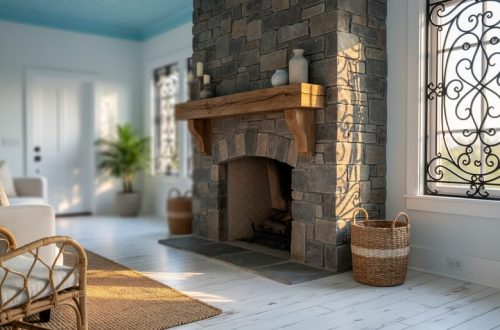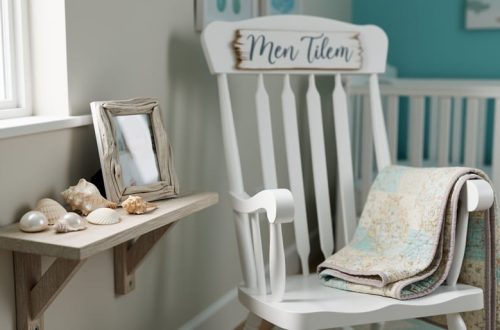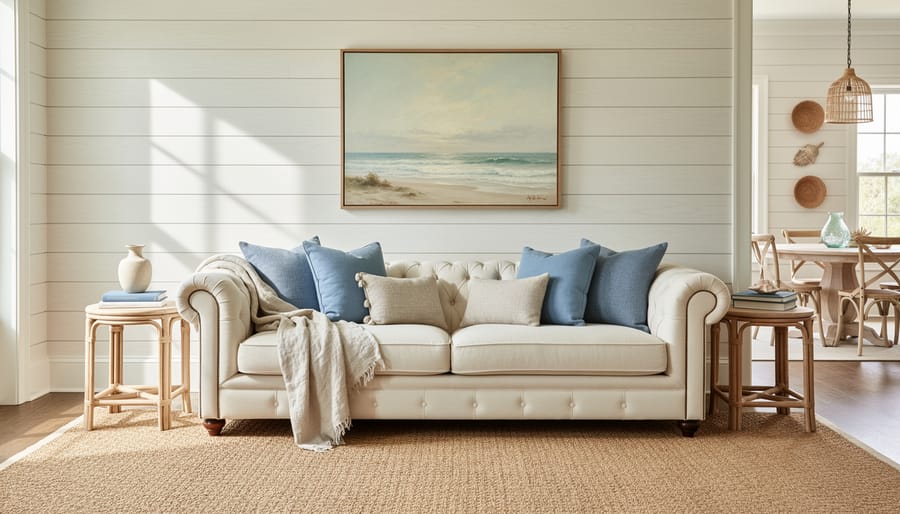
Traditional home decor brings timeless elegance to Southern and coastal homes through layered textures, rich wood tones, classic furniture silhouettes, and a curated mix of heirloom pieces and comfortable fabrics. This enduring style celebrates craftsmanship and symmetry while creating spaces that feel both gracious and lived-in, a balance that distinguishes true traditional design from stiff, museum-like formality.
The resurgence of traditional interiors isn’t about recreating your grandmother’s parlor. Today’s approach blends classic architecture and furnishings with relaxed coastal elements, making it especially well-suited to Southern homes where history and hospitality matter. Instead of heavy, dark Victorian rooms, modern traditional design lightens the palette with cream and soft blue tones, incorporates natural materials like rattan and linen, and emphasizes comfort alongside beauty.
What makes traditional decor particularly appealing now is its rejection of throwaway trends. Quality furniture built to last generations, thoughtfully arranged rooms with clear focal points, and decorative elements that tell a story all speak to homeowners seeking substance over novelty. The style thrives on balance: pairing a tufted sofa with sisal rugs, displaying porcelain collections alongside driftwood accents, or hanging oil paintings above whitewashed shiplap.
For those drawn to Southern charm or coastal living, traditional decor offers a framework that honors regional character while remaining deeply personal. The key lies in understanding which elements define the style and which outdated conventions you can confidently leave behind.
What Traditional Home Decor Really Means in 2026
Traditional home decor in 2026 isn’t about recreating your grandmother’s parlor or freezing a room in amber. It’s a design approach that values enduring principles, balance, quality, and craftsmanship, over fleeting trends. Think of it as design with a memory, where pieces are chosen to last decades rather than seasons.
At its heart, traditional style celebrates symmetry and proportion. You’ll find matching lamps flanking a sofa, balanced window treatments, and furniture arrangements that create visual harmony. Classic silhouettes dominate: the wingback chair, the camelback sofa, the pedestal dining table with turned legs. These aren’t arbitrary shapes; they’ve persisted because they combine beauty with genuine comfort.
- Symmetry and Balance
- Traditional rooms arrange furniture and accessories in pairs or mirrored layouts, creating visual calm and intentional order rather than random placement.
- Quality Materials
- Solid hardwoods, genuine leather, natural fibers, and metals built to last, traditional decor prioritizes materials that develop character with age instead of disposable alternatives.
- Classic Furniture Forms
- Time-tested silhouettes like wingback chairs, rolled-arm sofas, and pedestal tables that have remained functional and beautiful across generations.
- Layered Textiles
- Multiple fabric patterns and textures, damask, toile, velvet, linen, combined thoughtfully to add depth and visual interest without overwhelming a space.
- Heritage Color Palettes
- Rich, grounded hues drawn from nature and history: deep blues and greens, warm burgundies, golds, and classic neutrals that create sophisticated, timeless atmospheres.
Materials matter deeply here. Traditional decor favors solid cherry, mahogany, and walnut over particle board; genuine brass hardware instead of plastic; textiles with substance and heft. Southern homes, in particular, have long understood this emphasis on quality. When you’re furnishing a house meant to shelter multiple generations, you invest in pieces built to endure humid summers and become part of family stories.
The color palette leans toward depth rather than stark neutrality: burgundy, navy, forest green, warm taupe, and cream. These aren’t arbitrary choices, they’re colors that wear well, hide the realities of daily life, and create rooms that feel intentionally composed rather than casually assembled. Traditional style respects the knowledge embedded in centuries of design decisions, recognizing that some approaches persist because they simply work.
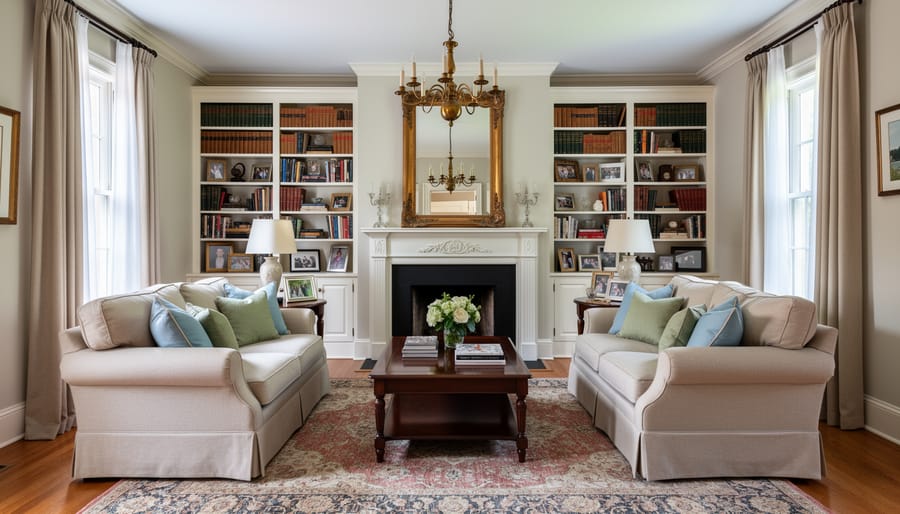
The Shift Back to Timeless Design
Something fundamental has changed in how people think about their homes. Walk through any Southern neighborhood built in the last decade, and you’ll spot the shift: rooms that once embraced stark white walls and sleek minimalism now feature layered textiles, wooden furniture with actual character, and colors that don’t apologize for their warmth.
This isn’t nostalgia talking. Homeowners who spent years curating spaces stripped of ornament are bringing back elements their parents or grandparents might recognize, wingback chairs, carved wood details, patterns that tell a story. The difference is they’re doing it deliberately, not out of habit.
Part of this stems from exhaustion with the churn of design trends. When you’ve replaced throw pillows three times in five years chasing whatever’s current, investing in a quality piece that improves with age starts making more sense. Traditional furniture wasn’t designed to photograph well for a season; it was built to last generations. That permanence appeals to people who’ve grown tired of treating their homes like Instagram feeds requiring constant updates.
The minimalist decade taught us what happens when we edit too aggressively. Rooms became efficient but emotionally cold. You could clean them easily, but you didn’t necessarily want to spend time in them. Traditional decor brings back the layers that make a space feel inhabited rather than staged, the carved detail that catches afternoon light, the upholstered comfort that invites you to actually sit down.
There’s also something happening with family pieces. Heirlooms that gathered dust in storage now anchor living rooms, not out of obligation but genuine appreciation. A grandmother’s sideboard or a refinished dining table represents craftsmanship and connection that mass-produced furniture can’t replicate. These pieces carry stories, and that matters more now than it did when newness was the only currency that counted.
Traditional Decor Elements That Work in Southern Homes
Furniture with Southern Soul
Traditional furniture in Southern homes strikes a delicate balance, pieces need enough presence to anchor a room without overwhelming the easy hospitality that defines Southern living. The wingback chair exemplifies this perfectly: its high back and rolled arms command attention, yet deep cushions and generous upholstery invite you to settle in with sweet tea and stay awhile.
Camelback sofas bring that same duality to the living room. The distinctive curved back adds architectural interest and formality, but choose one upholstered in durable linen or cotton rather than stiff brocade. You want guests to actually sit on it during Sunday gatherings, not admire it from across the room.
The dining room deserves furniture with heft and history. A wooden table with turned legs and visible grain tells stories, or will, once your family creates them around it. Look for tables in walnut, cherry, or mahogany that can handle the humidity Southern homes endure. Pair it with a sideboard or hutch for serving pieces and heirlooms. These storage pieces aren’t just practical; they display the silver tea service or your grandmother’s china in a way that honors their significance.
What makes these pieces distinctly Southern is their assumption that beauty and usefulness aren’t competing values. A traditional chair should welcome you home after a long day just as readily as it impresses dinner guests.
Textiles That Add Warmth Without Weight
Traditional textiles deserve careful consideration in Southern homes where humidity and heat can turn heavy fabrics into uncomfortable choices. The key is selecting materials that deliver visual richness without trapping warmth.
Linen damask offers the formality of traditional patterns with natural breathability that works year-round. For window treatments, consider lightweight silk or cotton blends in classic patterns like toile, they provide the elegant drape traditional rooms need while allowing air circulation. Interlined drapes add body without bulk, creating the substantial look formal spaces require.
Upholstery choices matter enormously in humid climates. Cotton chintz brings traditional pattern and a subtle sheen that reads as polished without the weight of velvet. Reserve velvet for accent pillows rather than entire sofas, or choose cotton velvet that breathes better than synthetic versions.
Layer textures strategically: pair a damask armchair with linen throw pillows, or top a silk window treatment with a simple cotton valance. The mix creates depth while preventing any single heavy fabric from dominating. In Southern traditional rooms, multiple lighter layers always work better than one substantial piece that looks beautiful but makes everyone miserable come June.
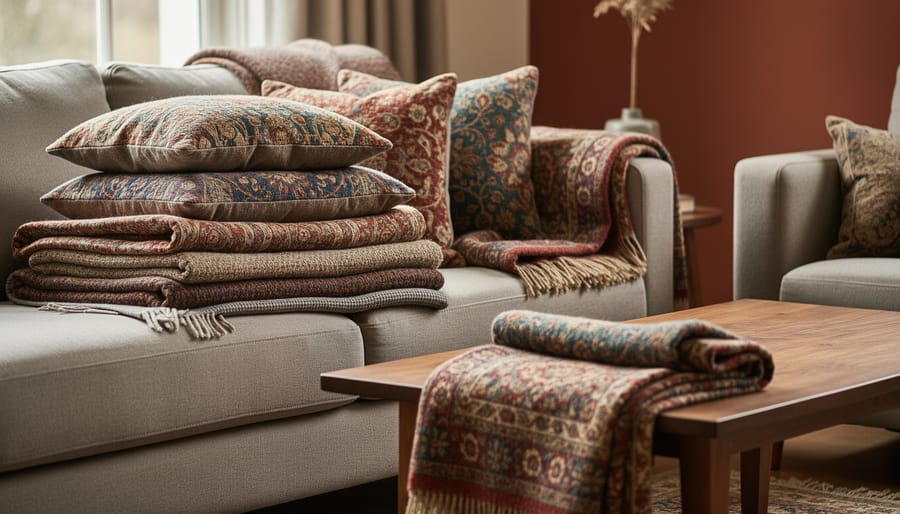
Color Palettes Rooted in Tradition
Traditional color palettes draw heavily from nature and architectural heritage, think the deep hunter greens of magnolia leaves, warm creams echoing antebellum columns, and rich burgundies inspired by aged brick. These colors ground a room in history without overwhelming it.
The key to keeping traditional palettes light in Southern homes lies in proportion and finish. Use deep colors as accents through upholstery, curtain trim, or a single statement wall rather than wrapping entire rooms in dark hues. Pair jewel tones with generous amounts of warm white or soft taupe to reflect the abundant natural light Southern homes enjoy.
Gold accents, whether in picture frames, lamp bases, or cabinet hardware, add traditional richness without heaviness when used sparingly. Navy blues work beautifully in spaces with high ceilings and large windows, while sage greens feel fresh yet timeless in dining rooms and bedrooms. The goal is creating depth and visual interest while preserving the airy quality Southern living demands.
Blending Traditional Style with Coastal Living
Combining traditional home decor with coastal aesthetics might sound contradictory, but the two styles share a surprising amount of common ground. Both celebrate natural materials, value quality craftsmanship, and prioritize creating spaces where people actually want to gather. The key is understanding which traditional elements enhance coastal living rather than fighting against it.
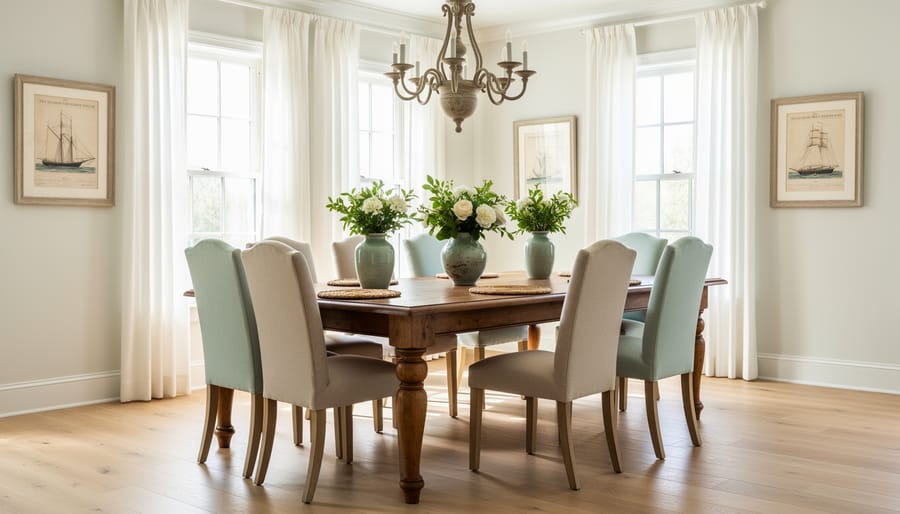
Start by keeping traditional furniture forms but choosing lighter finishes. A classic camelback sofa works beautifully in a coastal setting when upholstered in crisp white linen instead of heavy damask. Wooden dining tables with turned legs become perfect for beach houses when you select lighter oak or whitewashed finishes rather than dark mahogany. The silhouettes remain timeless and elegant, but the material choices let in air and light.
Window treatments offer another opportunity for smart blending. Traditional homes typically feature substantial drapery, which coastal spaces need for privacy and light control. The solution is choosing natural fabrics in lighter weights. Linen panels in neutral tones provide the formal framing that traditional style demands while maintaining the breeziness coastal rooms require. You can even incorporate classic patterns like toile or stripe, as long as you keep the background colors light and airy.
The coastal home design plans that work best with traditional elements typically feature good bones: crown molding, wainscoting, and architectural details that traditional furnishings naturally complement. These structural features create the formal framework that makes traditional pieces feel intentional rather than out of place.
Color becomes your most powerful tool for fusion. Traditional deep blues, greens, and warm neutrals already echo coastal palettes. Use navy as an accent rather than covering entire walls, pair burgundy with sandy beige instead of gold, and let white or cream dominate as your base. This approach maintains traditional sophistication while keeping spaces light enough for beach living.
Making Traditional Decor Feel Fresh, Not Fusty
The secret to keeping traditional decor from feeling stuffy lies in thoughtful editing and confident restraint. Start by pairing one ornate statement piece with cleaner, simpler furnishings rather than filling every surface with elaborate details. A carved mahogany sideboard gains presence when flanked by simple linen drapes and a modern table lamp, not when competing with heavy brocade and fringed valances.
Mix pieces from different eras to create visual tension that feels collected rather than catalog-perfect. That Queen Anne wingback chair becomes approachable when paired with a sleek glass side table or a gold sunburst mirror that nods to mid-century style. Contemporary artwork above a traditional console breaks the timeline and signals that your space evolves with you.
Leave breathing room. Traditional decor suffers most when every inch gets claimed by pattern, furniture, or accessories. Empty wall space, uncrowded tabletops, and furniture arranged for conversation rather than against every wall make formal pieces feel inviting. Scale matters too. If your lifestyle involves kids, pets, and casual gatherings, choose traditional elements sized for real life: sturdy dining chairs instead of delicate side chairs, durable damask rather than fragile silk.
Balance is everything. For every elaborate chandelier or ornate mirror, incorporate something refreshingly plain. Swap heavy drapes for tailored Roman shades. Replace a fussy centerpiece with a simple ironstone bowl. This approach captures vintage Southern soul without the formality that makes guests afraid to sit down.
Traditional decor feels freshest when it looks like you live with it, not around it. Choose pieces you genuinely love rather than following rigid period rules, and your space will feel timeless instead of trapped in time.
Where to Start Your Traditional Decor Journey
Start small and strategic rather than attempting a wholesale room makeover. A single well-chosen traditional piece can shift an entire space without overwhelming your existing style or budget.
The smartest first investment is a quality upholstered chair or a substantial wood table. These anchor pieces establish traditional presence while remaining functional enough to justify their cost. Look for solid construction: dovetail joinery in drawers, hardwood frames in upholstery, and finishes you can see yourself living with for years. A wingback chair recovered in fresh linen or a console table with beautiful wood grain integrates traditional craftsmanship without announcing “I redecorated.”
Southern antique stores and estate sales offer treasures that mass retailers simply can’t match. Pieces with provenance and patina bring instant character. If you’re nervous about committing to a large antique, start with smaller finds: brass candlesticks, vintage mirrors, or traditional framed fabric wall art that adds pattern without permanent commitment. Quality reproductions fill gaps when authentic antiques prove elusive or impractical, especially for upholstered pieces where condition matters.
Here’s a measured approach to building traditional style:
- Start with one anchor piece that serves daily function, a dining table, sofa, or substantial dresser
- Build a neutral foundation with paint colors and basic window treatments that support traditional warmth
- Layer in traditional textiles through pillows, throws, and recovered seating where you can change your mind
- Add formal lighting with table lamps, sconces, or a chandelier that elevates the room’s presence
- Finish with collected accessories, books, ceramics, artwork, that reflect your personal history
Test traditional elements in one room before expanding throughout your home. A guest bedroom or dining room provides lower-stakes space to experiment with symmetry, layered patterns, and formal furniture arrangements. You’ll quickly learn which traditional touches feel like you and which feel like someone else’s house.
Traditional home decor’s resurgence isn’t really about chasing a trend at all, it’s about rediscovering values that Southern homes have always held dear. Quality craftsmanship that lasts generations. Pieces that tell stories and carry memories forward. Spaces that feel grounded in something deeper than whatever’s currently trending on social media.
The beauty of embracing traditional elements now is that you’re free to interpret them your own way. There’s no rulebook insisting your dining room must match a historical period exactly, or that every surface needs a formal flourish. The traditional pieces that work best in your home are the ones that genuinely resonate with you, whether that’s your grandmother’s sideboard, a classic wingback chair that fits your reading corner perfectly, or simply a color palette that makes you feel at home the moment you walk through the door.
What matters is creating rooms that honor where you come from while serving how you actually live. Traditional decor done right should make your space feel more comfortable, not less. It should invite people in, not keep them at arm’s length.
So start with what speaks to you. Choose pieces you’ll still love in twenty years. Layer in the textures and colors that make your Southern home feel like yours. The rest will follow naturally.