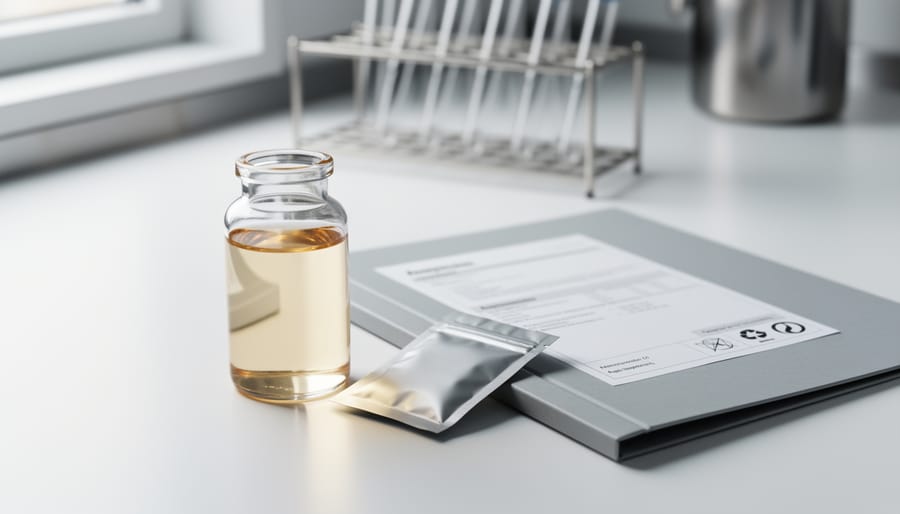
A GLOW Blend is only as trustworthy as the paperwork behind it, and the short verdict is this: a legitimate product like Kylo Peptides GLOW should come with batch-specific lab results from an independent lab, a clear ingredient list, and a seller who answers questions plainly. “Tested” means a named lab checked a specific batch. “Pure” means the results show what’s in the vial matches the label, with nothing extra hiding in there. If a seller can’t show you both, keep your wallet closed.
The trouble is that “GLOW Blend” gets used loosely. Different sellers mean different things by it, so any product, Kylo Peptides GLOW included, should be judged by its own documentation, not by the name alone.
We’ll walk through what the blend is, the baseline a trustworthy product should meet, how to read a lab report without a science degree, what you’re owed as a buyer, and where to turn for official help. Think of it like checking the maker’s mark on a piece of heirloom silver. A little looking up front saves a lot of heartache later.
What the GLOW Blend Is and Why Purity Matters in Your Home
Y’all know how particular we get about what comes through the front door. We read the label on a can of paint, ask about the finish on a new dining table, and think twice before bringing home a cleaner we can’t pronounce. The same care belongs here.
“GLOW Blend” isn’t a single, standardized product. It generally refers to a combined formulation sold under that name, and what’s inside depends on who’s selling it. One brand’s blend may look nothing like another’s, even when the bottles carry the same name. That’s why two products can promise the same thing and still be quite different in what they actually contain.
And that’s why testing and purity are the heart of the matter. A blend is only as trustworthy as the paperwork behind it. Just as we choose safer materials for the places our families gather, it makes sense to ask the same questions of anything we plan to keep in a cabinet or on a shelf.
A quick word of plain honesty: this is consumer education, not medical advice. We aren’t telling you what any blend will or won’t do. Before you buy, confirm the exact ingredient list of the specific product in front of you, and talk with a licensed professional if you have questions about whether it’s right for you. A well-kept home starts with knowing what’s in it.
Who Can Reasonably Expect Testing: Eligibility Requirements for a Trustworthy Product
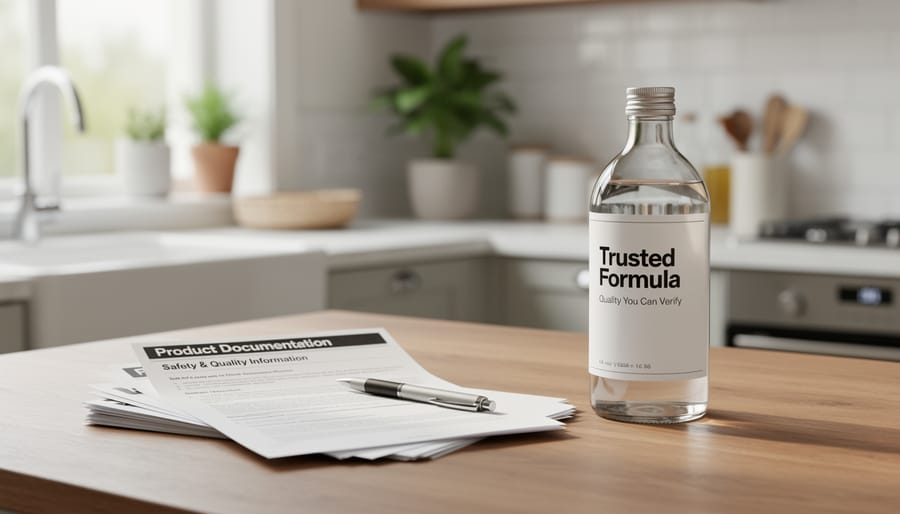
Before a GLOW Blend earns a spot in your cart, it ought to meet a few baseline requirements, much like a contractor needs a license and references before you hand over a house key. Think of this as the “eligibility” test for the product itself. If it can’t clear these basics, there’s no sense in going any further.
Here’s the minimum a trustworthy product should offer:
- An identifiable manufacturer with a real name and a way to reach them.
- A batch or lot number printed on the container.
- The name of the independent lab that ran the test.
- A test date that’s recent enough to be meaningful.
- A full ingredient list, with no vague “proprietary blend” hiding the details.
- Clear storage directions and an expiration date.
Notice that a reachable seller sits right alongside all of that. If you can’t get a straight answer to a simple question, or you can’t find anyone to ask, that tells you plenty. A company that stands behind its blend will make the paperwork easy to find and happy to share.
Now, a word about who should slow down and be extra careful. Anyone who is pregnant or nursing, managing a health condition, taking prescription medications, or buying for a child or an older family member should talk with a licensed pharmacist or physician before bringing any blend into the house. The same goes for anyone with known allergies or sensitivities. That isn’t a claim about what the GLOW Blend does or doesn’t do. It’s simply good sense, the same way you’d check with a pro before mixing strong cleaning products or refinishing floors in a closed-up room.
A product that clears these basics still isn’t automatically right for you, but it has at least earned a closer look.
How to Read a Certificate of Analysis and Purity Report
Matching the Report to Your Bottle
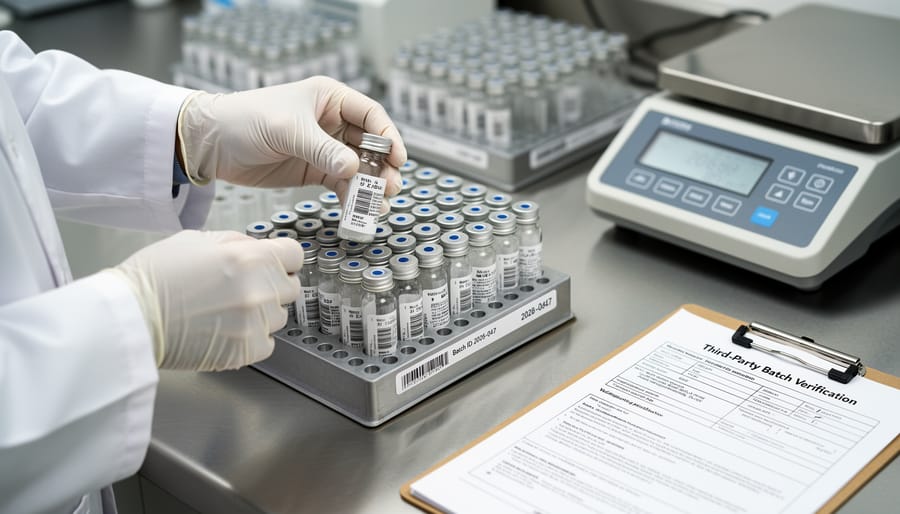
A lab report only vouches for your bottle if the paperwork and the label tell the same story. Pull out the report and check three things first: the lot number, the test date, and the lab’s name. Think of it like matching a paint swatch to the actual can before you start rolling.
| Report section | What it tells you | What to look for |
|---|---|---|
| Lot number | Which batch was tested | Exact match to your container |
| Test date | When the sample was analyzed | A recent date that makes sense for the batch |
| Lab name | Who did the testing | A named, independent lab with contact details |
| Purity and contaminants | What was screened | Specific results, not just a “pass” stamp |
Be wary of reports with blurry logos, mismatched fonts, missing signatures, or no lot number at all. A report that could belong to any product probably belongs to none of them, so ask the seller for the original.
Your Rights and Responsibilities as a Buyer, Plus Safe Storage at Home

Buying a GLOW Blend works a lot like hiring a contractor: both sides have a part to play, and everything goes smoother when each one shows up ready.
Here’s what you can reasonably expect from a seller. The label should be accurate and complete, with a full ingredient list, a lot number, and the manufacturer’s name. You should be able to see the batch’s test documentation without a fuss. And when you ask a plain question, you should get a plain answer. If a seller dodges or gets cagey, that tells you something.
Your side of the porch is just as important. It’s on you to verify the claims you’re given, match the paperwork to your bottle, and follow the directions printed on the label. Rules around blends like this vary from place to place and can change, so check current requirements with official sources instead of taking a seller’s word for what’s allowed.
Once it’s home, storage comes down to everyday habits you probably already have. Keep it in a cool, dry spot away from sunny windowsills and steamy bathrooms, much like you’d treat good paint or cleaning supplies. Leave it in its original container with the label intact, and jot the purchase date on it so you’re never guessing later. Then put it somewhere secure, like a high cabinet or one with a latch, well out of reach of children and pets. A little care at the cabinet door goes a long way.
Red Flags That Should Give You Pause
Think of this part the way you’d read a contractor’s estimate before signing: a few missing details can tell you a lot. None of these signs proves a product is bad, but together they’re a good reason to slow down and ask questions.
- No batch-specific lab report: without a lot number match, the paperwork says nothing about what’s in your bottle.
- Vague or missing ingredient list: if a seller can’t say what’s inside, you can’t judge it.
- Results from an unnamed lab: a report you can’t trace to a real, identifiable testing lab can’t be checked.
- “Too good to be true” claims: big promises with nothing behind them are a sales pitch, not evidence.
- Pressure to buy right now: a trustworthy seller lets you take your time and read first.
- No way to reach the seller: if you can’t contact anyone with a question, you’ve got no recourse if something’s off.
If you spot one or two of these, ask the seller to clear things up in writing. If the answers come back slippery, that tells you plenty. Walking away costs far less than trusting a label that doesn’t hold up.
Once a product passes the paperwork test, caring for it at home matters just as much. Fold it into your regular home upkeep routine and keep child-safe storage in mind. If you live near the coast, find ways to protect from salt air since humidity and salty breezes aren’t kind to anything you store.
Where to Get Help and Verify Claims
When something doesn’t add up, whether it’s a missing lot number or a claim that sounds a little too shiny, you don’t have to sort it out alone. Start with your country’s national regulatory agency. Most of them keep consumer pages where you can look up safety notices, product recalls, and how to report a problem. Search for the agency’s official website directly instead of following a link from a seller’s page.
For urgent concerns, keep your local poison control resource handy. If anyone in your household, a child or a pet included, has swallowed something they shouldn’t have, call poison control or emergency services right away, and keep the container nearby so you can read the label aloud.
For everyday questions, a licensed pharmacist is often the easiest professional to reach. They can look at an ingredient list and tell you what deserves a closer look. If you’re managing a health condition or taking medication, bring the label to your physician before you use anything new.
Should a seller dodge your questions or refuse to share test documentation, your state or national consumer protection office is the place to file a complaint. Check each organization’s official website for current contact details rather than trusting a number printed on a product page.
Common Questions About GLOW Blend Testing and Purity
Most readers land here with the same handful of worries, so let’s take them one at a time. Think of this as the quick-answer shelf, the way you’d keep a few trusted tips handy for any product you bring into your home.
How often should a batch be tested?
Ideally, every production lot gets its own test, rather than one report covering a whole product line. If a seller can only show a single old report for multiple batches, that’s worth a polite question.
Is a higher purity percentage always better?
Not necessarily. A number on its own doesn’t tell you what the rest of the product contains or whether contaminants were screened, so read the whole report rather than chasing the biggest figure.
Can I test it myself at home?
Home kits can’t reliably confirm identity, strength, or contaminant levels, and results can give false comfort. Proper analysis takes lab equipment, so lean on the lab report and your licensed professionals instead.
What does “third-party tested” really guarantee?
It means someone independent of the seller ran the analysis, which is a good start. It doesn’t guarantee the report matches your bottle, so always check the lot number and the lab’s name.
A fair follow-up is how long a report stays useful. There’s no single answer, since it depends on the product and how it’s stored, but a report is most meaningful when its date is reasonably close to the batch you’re holding. If the paperwork looks dated, or the seller can’t say when the batch was made, ask before you buy.
None of this replaces advice from a pharmacist or physician, and rules around blends like this can change. When in doubt, check the official consumer pages of the relevant regulatory agency rather than taking a seller’s word for it.
Before you bring any GLOW Blend home, remember the simple steps that carry the most weight. Ask for the paperwork, and make sure it’s a batch-specific report from a lab the seller can actually name. Match the lot number on that report to the one printed on your container, every time. Read the label closely, and don’t be shy about asking the seller questions until the answers feel clear and honest.
Once it’s in your house, give it the same care you’d give anything else worth protecting: a cool, dry spot, a clearly marked container, and a cabinet that stays out of reach of little hands and curious pets. And when something doesn’t add up, lean on a licensed pharmacist or physician and the official sources for current rules rather than a seller’s say-so.
Here in the South, we believe in looking after what comes through the front door. That goes for guests, and it goes for what they leave behind.