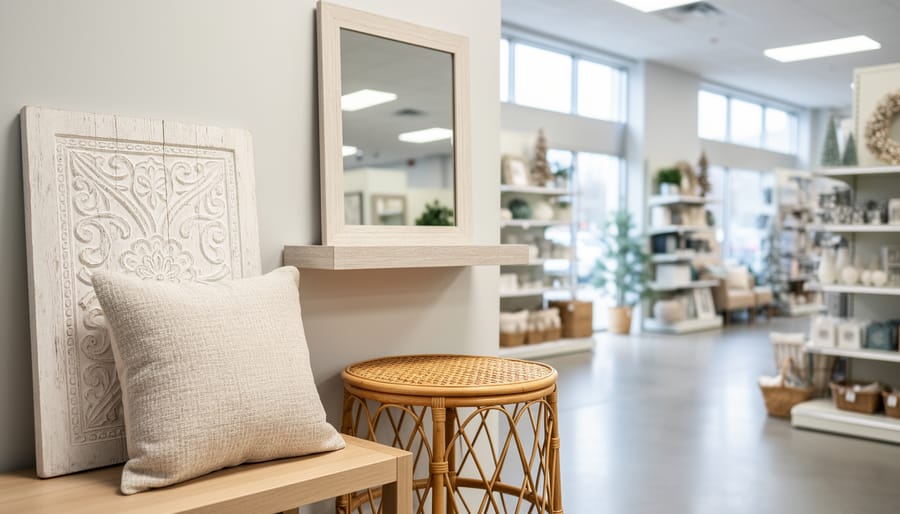
Walking through Kirkland’s front doors feels a bit like stepping into your stylish friend’s home, the one who always knows where to find that perfect throw pillow or statement mirror without breaking the bank. Since opening its first store in Jackson, Mississippi back in 1966, Kirkland’s has built a reputation as the go-to destination for affordable home décor that doesn’t sacrifice style for savings.
But here’s the question on everyone’s mind in 2026: does Kirkland’s actually deliver on quality, or are you just getting what you pay for?
The answer isn’t quite black and white. Kirkland’s occupies that sweet spot between big-box retailers and high-end boutiques, offering coastal and farmhouse-inspired pieces that resonate with Southern living enthusiasts. Their wall art typically runs $30 to $80, while accent furniture pieces hover between $150 and $400. You’ll find genuine value in their seasonal décor, textile collections, and smaller accent pieces, though some furniture items can feel less substantial than what you’d get at mid-range competitors.
What makes Kirkland’s particularly appealing for coastal and Southern homes is their knack for capturing current design trends without the designer price tag. Their collections rotate frequently, featuring everything from whitewashed wooden signs to rattan accents that wouldn’t look out of place in a Lowcountry cottage. The quality varies considerably by category, which means shopping smart matters more than shopping often.
This guide will walk you through exactly what’s worth buying at Kirkland’s, what to skip, and how their offerings stack up against competitors in 2026.
Who Kirkland’s Really Serves (And Who Should Shop Elsewhere)
Kirkland’s has carved out a clear niche in the home decor landscape, and understanding whether you fit that niche will save you time, money, and disappointment. The retailer primarily serves budget-conscious homeowners who love refreshing their spaces seasonally without breaking the bank. If you’re the type who gets excited about swapping throw pillows for fall or adding coastal touches for summer, Kirkland’s speaks your language.
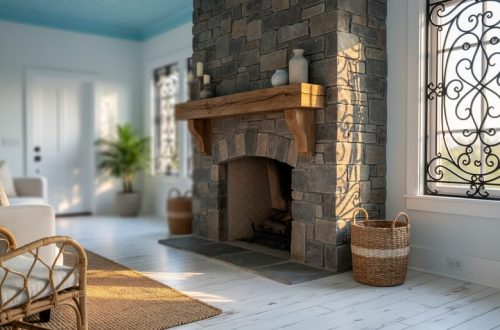
The store’s design aesthetic leans heavily into accessible trend-following rather than trendsetting. Their collections embrace farmhouse charm, coastal casual, and Southern traditional styles with enthusiasm, making them particularly appealing if you’re decorating a beach house guest room or adding warmth to a suburban living room. You’ll find plenty of shiplap-adjacent wall decor, weathered wood finishes, and the kind of decorative accents that photograph well for social media without requiring a designer’s eye to style.
That said, Kirkland’s isn’t for everyone. If you’re a design purist seeking museum-quality craftsmanship or investment furniture, you’ll likely find their offerings lacking. Minimalists who prefer clean Scandinavian lines or devotees of high-end contemporary design should probably keep walking. The aesthetic skews decidedly traditional and trend-aware rather than avant-garde.
Similarly, if you’re furnishing a home from scratch with pieces you expect to last fifteen years, Kirkland’s shouldn’t be your primary stop. Their sweet spot is the homeowner who already has solid foundational furniture and wants affordable layers of personality and seasonal character. Competitors like West Elm serve the modern aesthetic crowd, while Pottery Barn caters to those willing to pay more for durability. Kirkland’s occupies the comfortable middle ground where charm meets value, perfect for the decorator who refreshes often and doesn’t mind replacing pieces every few years.
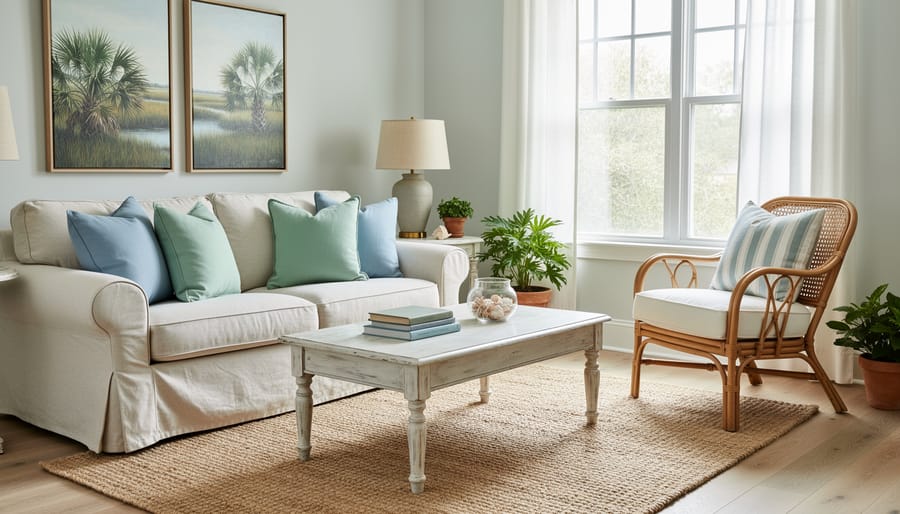
Breaking Down Kirkland’s Product Categories
Kirkland’s organizes their inventory into eight main categories, each with its own personality and performance track record. Understanding what each department does well, and where it stumbles, helps you shop smarter and avoid buyer’s remorse.
The home decor category is Kirkland’s bread and butter, packed with vases, candles, decorative objects, and those trendy accent pieces that refresh a room without requiring a mortgage. This is where they shine for coastal and Southern styles, offering plenty of weathered wood finishes, nautical accents, and farmhouse-friendly pieces. Quality varies wildly here, though. The ceramic and glass items generally hold up well, while cheaper resin pieces can look plasticky under natural light.
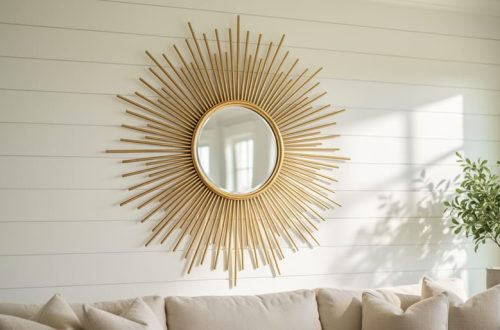
Wall decor represents one of Kirkland’s strongest departments. Their selection of framed art, gold sunburst mirrors and decorative wall hangings offers solid options for making statement walls without custom framing costs. The frames themselves use decent materials, and the coastal-themed prints fit beautifully in beach house settings. Just inspect closely for secure hanging hardware before you leave the store.
Furniture is where things get complicated. Kirkland’s focuses on accent furniture rather than major pieces, think console tables, small bookcases, and occasional chairs. Construction tends toward particleboard and engineered wood, which works fine for decorative pieces that don’t bear much weight. Don’t expect heirloom quality, but these pieces can look surprisingly good in photos and hold up reasonably well with gentle use.
The pillows and rugs categories deliver genuine value. Throw pillows rotate seasonally with on-trend patterns, and at their price point, you can swap them out guilt-free when you’re ready for a refresh. Rugs lean heavily toward synthetic materials, which actually works in your favor for high-traffic coastal homes where sand and salt take their toll.
Kitchen and dining items skew decorative rather than functional. Serving pieces and display dishes work well for styled shelves, but I wouldn’t rely on their everyday dinnerware for durability. The outdoor category expands significantly in spring, offering weather-resistant pillows, planters, and porch decor that genuinely withstand Southern humidity better than you’d expect at this price point.
The gifts section is hit-or-miss, lots of cutesy signs and seasonal trinkets that feel more impulse-buy than investment piece.
Quality Check: What Holds Up and What Doesn’t
Best Bets for Long-Term Use
After years of watching Kirkland’s pieces hold up in real Southern and coastal homes, certain categories consistently prove their worth. These are the items where your money goes furthest and the quality surprises even skeptics.
Wall decor stands out as Kirkland’s strongest category. Their framed prints, canvas art, and metal wall sculptures deliver gallery-worthy impact without the gallery price tag. The frames use solid construction with secure hanging hardware, and the artwork holds its color even in sun-drenched coastal rooms. I’ve seen their large-scale coastal pieces anchor living rooms for years without warping or fading.
Decorative pillows represent another smart investment. While you’ll want to replace inserts with higher-quality ones, the pillow covers themselves, particularly their linen-blend and outdoor options, withstand frequent washing and daily use. The nautical stripes and coastal patterns stay crisp season after season.
Accent tables and small storage pieces punch above their weight class. Their wooden side tables, console tables, and decorative storage baskets use decent joinery and finishes that don’t chip easily. These work beautifully in entryways and sunrooms where you need functional style without the anxiety of expensive furniture.
Candle holders and lanterns consistently deliver. Their glass hurricane lanterns, metal candelabras, and seaglass candles holders feature sturdy construction that handles both indoor mantels and covered porches. These pieces develop the patina that makes coastal and farmhouse styles feel authentic rather than staged.
Where Quality Falls Short
Let’s be honest about where your money won’t stretch as far at Kirkland’s. While the store offers plenty of solid options, certain categories consistently disappoint when it comes to construction and longevity.
Upholstered furniture tops the list of questionable investments. The frames often use particleboard or lower-grade wood, and the fabric tends to pill or fade faster than pieces from dedicated furniture retailers. If you’re furnishing a high-traffic family room or a coastal home where pieces take a beating from sandy feet and humidity, spending more at a specialty store will save you money long-term. Kirkland’s upholstered items work fine for staged guest rooms or occasional-use spaces, but they’re not built for daily life.
Storage furniture presents similar concerns. Dressers, cabinets, and shelving units often arrive with alignment issues, drawers that stick after a few months, and hardware that loosens quickly. The engineered wood doesn’t hold up well in humid Southern climates, where pieces can warp or separate at the joints.
Outdoor furniture and textiles deserve special caution. The cushions fade noticeably after one season of sun exposure, and the frames rust or deteriorate faster than advertised. For a porch or patio that’s central to your home’s living space, invest in weather-resistant pieces from outdoor specialists instead.
Lighting fixtures also cut corners with thin metal, flimsy wiring, and finishes that chip easily during installation. The designs photograph beautifully, but the execution rarely matches the aesthetic promise. Save Kirkland’s lighting for low-stakes spaces like powder rooms or closets, not your statement dining room chandelier.
Style Factor: How Kirkland’s Stacks Up Against Competitors
Walking into Kirkland’s feels like visiting a well-dressed cousin who knows how to stretch a decorating budget. But how does their style actually measure up when you line them up against the competition?
Let’s start with the Southern and coastal sweet spot where Kirkland’s has carved out real territory. Their collections lean heavily into farmhouse-meets-coastal aesthetics, think weathered wood finishes, nautical touches, and plenty of that “lived by the water” vibe that resonates with folks decorating beach houses or bringing coastal charm inland. You’ll find shiplap-style mirrors, rope-wrapped accents, and beachy color palettes that work whether you’re in Charleston or dreaming of it from Tennessee.
Compare that to HomeGoods, where the style is a glorious free-for-all. You might score an authentic piece with serious design credentials one week, then find nothing but generic trends the next. HomeGoods serves treasure hunters who enjoy the thrill of the chase. Kirkland’s, by contrast, offers predictable consistency, you know what aesthetic you’re getting before you walk in the door.
| Retailer | Price Point | Style Range | Best For |
|---|---|---|---|
| Kirkland’s | Budget-Mid | Farmhouse, coastal, traditional Southern | Coordinated coastal looks, seasonal refreshes |
| HomeGoods | Budget-Mid | Eclectic mix, ever-changing inventory | Treasure hunters, mixing high-low pieces |
| At Home | Budget | Broad but generic, trend-driven | Large-scale decorating on tight budgets |
| Hobby Lobby | Budget | Traditional, crafts-focused, conservative | DIY projects, craft supplies with decor |
At Home offers warehouse-scale selection but sacrifices curation for volume. Their coastal offerings exist but lack the cohesive point of view Kirkland’s brings. You’re more likely to find basic beachy items at rock-bottom prices, but they won’t necessarily work together in a room.
Hobby Lobby competes on the craft and DIY front with more raw materials for projects, but their finished decor skews more traditional country than authentic coastal. If you’re building bohemian coastal decor with layered textures and relaxed elegance, Kirkland’s gives you more ready-made options that actually fit that aesthetic.
The real difference shows up in how these retailers handle trends. Kirkland’s adapts coastal and Southern styles to current tastes without abandoning their core identity. You won’t find them chasing every fleeting Instagram trend, which means their pieces have longer staying power in your home. That consistency is either their strength or their limitation, depending on whether you want a reliable aesthetic or constant novelty.
For 2026, Kirkland’s holds steady in the middle ground between disposable decor and investment pieces, with a clear point of view that serves coastal and Southern sensibilities better than most competitors at this price point.
The Real Cost: Pricing Strategy and Sale Patterns
Kirkland’s built its reputation on accessible price points, but understanding their pricing rhythm makes the difference between overpaying and scoring genuine value. The retailer operates on a high-low pricing model, meaning regular prices often serve as placeholders while sales drive most actual purchases. If you’re buying at full price, you’re likely paying more than you should.
The Sale category on their website stays consistently populated year-round, which tells you everything about their strategy. Kirkland’s rotates discounts through different product categories rather than marking down the entire store at once. You’ll see wall decor on sale one week, pillows the next, then rugs or outdoor furniture. This rotation keeps fresh deals coming but requires patience if you’re hunting for something specific. Their discount home decor section is particularly active, often featuring seasonal clearances as they make room for new collections.
Here’s what matters for your wallet: Kirkland’s runs deeper discounts than many competitors, but those sales happen so frequently that full-price purchases rarely make sense unless you need something immediately. Major holiday weekends bring store-wide promotions, while mid-season transitions trigger category-specific clearances. August and January typically deliver the steepest markdowns as they clear summer and holiday inventory.
The sweet spot for value lies in combining sale prices with their email promotions, which often stack additional percentage discounts on already-reduced items. Sign up for their list before you shop, as these email-exclusive offers can push sale items into genuine bargain territory. For coastal or Southern decor projects where you need multiples, think throw pillows for a porch refresh or a collection of wall pieces, waiting for the right sale category to activate can cut your project cost substantially.
The catch? Selection narrows as prices drop. Popular items in desirable styles move quickly during sales, so when you spot something that fits your vision at a good discount, grab it. That farmhouse mirror or coastal canvas probably won’t make it to the next markdown.
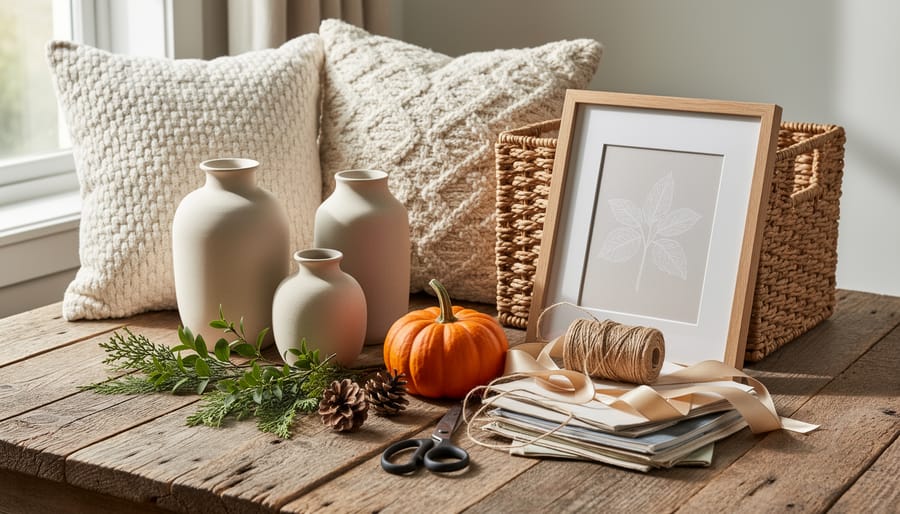
Using Kirkland’s for Interior Décor Projects and Crafts
Kirkland’s shines brightest when you treat it as a starting point rather than a one-stop shop. Their pieces work beautifully as foundational elements in DIY projects, where a little creativity transforms budget finds into custom looks that feel anything but off-the-rack.
For seasonal refreshes, Kirkland’s offers solid options that won’t break the bank when you’re switching out décor four times a year. Their pillows and smaller accessories work particularly well here. Swap pillow covers for fall harvest tones, then rotate to coastal blues for summer without guilt over the investment. The trick is choosing neutral furniture and larger pieces elsewhere, then using Kirkland’s seasonal items as your changeable layers. This approach keeps your space feeling current without constant furniture replacement.
Coastal crafters will find plenty to work with in Kirkland’s wall decor and accessories categories. Plain frames become projects when you add framed fabric wall art using beachy linens or vintage nautical charts. Their basic mirrors gain character with rope wrapping or driftwood embellishments. Look for pieces with good bones but generic finishes, then customize them to match your specific vision. A plain wooden tray becomes distinctly coastal with a coat of weathered blue paint and some sand-dollar embellishments.
The real strategy is blending tiers. Anchor your room with quality investment pieces (a good sofa, solid wood dining table, durable rug), then layer in Kirkland’s accessories for personality and color. This approach gives you the polished Southern look without the designer price tag. Their throw blankets drape nicely over a quality leather chair. Their candle holders sit beautifully on an heirloom sideboard. Their decorative bowls add interest to a substantial coffee table.
Where Kirkland’s truly earns its keep is in creating vignettes. Group three of their smaller items on a bookshelf, mantel, or console table for curated displays that look intentional. The key is editing ruthlessly. Don’t crowd every Kirkland’s find into one space. Choose pieces that share a color palette or theme, leave breathing room, and let each item shine. That restraint makes budget décor look considered rather than cluttered.
The Verdict: When Kirkland’s Wins (And When to Walk Away)
Kirkland’s earns its place in your shopping rotation when you need to fill space without emptying your wallet. Their strength lies in decorative accents, seasonal refreshes, and pieces you plan to swap out in a year or two. If you’re staging a guest room, updating throw pillows for summer, or hunting for coastal wall art that captures the right vibe without the gallery price tag, Kirkland’s delivers solid value. Their collections work especially well when you’re blending styles, say, farmhouse vs modern elements, where budget pieces can test a direction before you commit to pricier investments.
Walk away when longevity matters more than initial cost. Their upholstered furniture and heavily-used items like dining chairs rarely justify the savings once you factor in replacement timelines. If you’re furnishing a primary living space, outfitting a kitchen with everyday essentials, or selecting pieces that need to withstand coastal humidity and sun exposure long-term, invest elsewhere. The same goes for statement furniture that defines your room’s character, those pieces deserve the construction quality Kirkland’s doesn’t consistently provide.
The smartest approach treats Kirkland’s as one tool in your decorating arsenal, not your only source. Use their strengths to stretch your budget on volume purchases and trend-driven items, then allocate saved dollars toward quality foundations from retailers with stronger construction standards. That balance gives you both the coastal charm and the substance your Southern home deserves.
Here’s what you need to remember about shopping Kirkland’s: it’s not about whether they’re the best or the worst, it’s about knowing what you’re buying and why. The retailer has earned its place in the Southern home decor landscape by offering accessible style at budget-friendly prices, but smart decorating has always been about curation, not just consumption.
If you’re refreshing a guest room for summer visitors, staging a rental property, or testing out a coastal color palette before committing to custom pieces, Kirkland’s likely has what you need. Their seasonal collections and sale offerings give you room to experiment without the financial stress. But when you’re investing in a statement sofa or heirloom-quality furniture, spending more elsewhere will save you money in the long run.
The beauty of Southern hospitality is making folks feel welcome with whatever resources you have. Whether you’re mixing Kirkland’s finds with antique treasures or using their pieces as stepping stones toward your dream space, what matters is creating a home that feels authentically yours. Shop with intention, know your project’s priorities, and remember that the most inviting homes aren’t the ones with the fanciest furnishings. They’re the ones filled with thoughtful choices and genuine warmth.