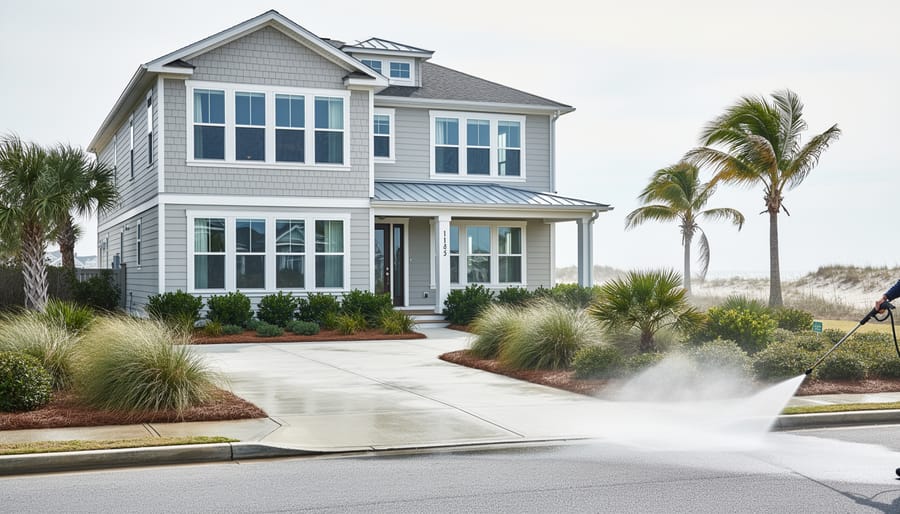
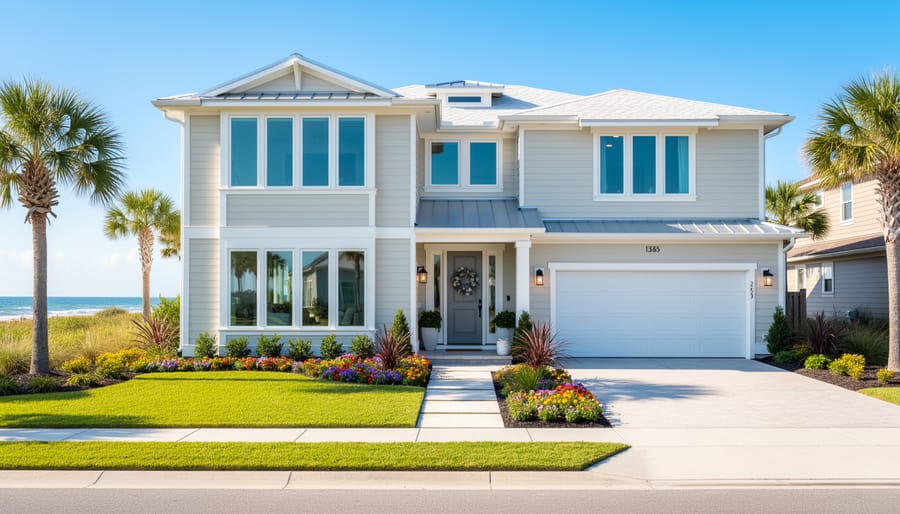
Prioritize curb appeal immediately by power-washing salt-stained siding, refreshing coastal landscaping with native grasses and palms, and ensuring your beachfront property photographs beautifully from the street. Those first impressions matter enormously when you’re working against the clock, and coastal homes show weathering faster than inland properties. Schedule professional photography on a clear day when the water views shine.
Price aggressively below market value from day one. Coastal properties often attract vacation-home buyers who take their time deliberating, but you need serious buyers now. Research recent comparable sales within a quarter-mile of your location, then price 5-10% below the lowest to generate immediate interest and potential bidding wars.
Consider cash buyers who specialize in coastal real estate, though you’ll accept less than market value in exchange for speed and certainty. These companies close in days rather than months, eliminating inspection contingencies, financing delays, and the uncertainty of traditional sales. Research multiple offers carefully and verify their track record with coastal properties specifically.
Prepare disclosure documents ahead of time, including flood zone certifications, insurance claims history, and any storm damage repairs. Coastal properties face extra scrutiny, and having paperwork ready accelerates the process significantly. Your attorney should review everything before listing.
Time your sale strategically if possible. Late spring through early summer 2026 typically brings peak coastal buying activity, but if you’re facing foreclosure or need to sell house fast for cashwaiting isn’t an option. Accept that urgency costs money, but protecting your financial situation and peace of mind outweighs squeezing out every last dollar from a prolonged sale.
Understanding the Coastal Home Market in 2026
The coastal real estate market has shifted considerably over the past year, and understanding these changes will help you position your property effectively. Buyers in 2026 are more discerning than ever, particularly when it comes to climate considerations and property resilience. They’re looking for coastal homes with updated systems, flood mitigation features, and evidence of proper maintenance against salt air and storm exposure. This scrutiny means coastal properties often face a longer sales timeline than inland homes, sometimes extending 30-60 days beyond the standard market average.
The buyer pool for coastal properties remains selective by nature. These aren’t necessity purchases for most people; they’re lifestyle choices or investment decisions, which means buyers take their time. Remote work trends have actually expanded interest in coastal living, but those same buyers often have multiple properties under consideration across different coastal regions. They’ll compare your home against options in neighboring beach towns, creating natural delays as they weigh location benefits.
Insurance costs have become a critical factor that can stall sales unexpectedly. Many buyers discover midway through the process that insuring a coastal property costs significantly more than anticipated, or worse, that coverage is difficult to obtain. These surprises kill deals and restart your timeline. The homes that sell quickly in 2026 are those where sellers proactively address these concerns upfront, providing insurance information and documentation of storm-resistant features before buyers even ask.
Preparing Your Coastal Home for a Fast Sale
Focus on First Impressions That Matter
Cash buyers walk up to your home and make their decision in the first thirty seconds. When you’re selling a coastal property quickly, those seconds count more than anything inside.
Start with your front door and entryway. Peeling paint screams neglect, especially on coastal homes where buyers expect maintenance challenges. A fresh coat in a crisp white or coastal blue takes half a day and signals you’ve cared for the property. Replace corroded hardware and light fixtures, oxidized metal is the telltale sign of salt air damage that makes buyers nervous.
Your porch matters enormously. Sweep away sand, power wash the deck (but watch for splintering wood that needs replacement), and check railings for stability. Wobbly railings suggest deeper structural concerns. If your porch ceiling shows water stains or peeling, quick porch ceiling upgrades can transform the whole entrance for minimal investment.
Don’t overthink landscaping. Remove dead plants, edge walkways, and add two large potted palms or tropical plants flanking the entrance. That’s it. Cash buyers aren’t evaluating your gardening skills, they’re checking whether the property looks abandoned or maintained.
Finally, windows. Coastal homes with streaky, salt-crusted windows look unloved. Clean them inside and out. It’s unglamorous work, but sparkling glass completely changes how buyers perceive your home’s condition before they ever step inside.
What Not to Waste Time On
When you’re racing against the clock, skip the expensive upgrades that cash buyers will likely redo anyway. Major kitchen renovations, elaborate coastal interior painting schemes, and bathroom overhauls rarely boost speed, even if they improve remodeling return on investment in traditional sales. Cash buyers purchase based on location and structure, not your new backsplash.
Similarly, don’t pour money into replacing windows, installing new flooring, or upgrading HVAC systems. These improvements take weeks to complete and thousands to fund, but they won’t accelerate your timeline with investors who factor renovation costs into their offers regardless. Your energy is better spent on quick fixes that remove buyer objections.
Skip landscaping projects beyond basic cleanup. That elaborate native coastal garden you’ve been planning won’t sway serious cash buyers, who care more about structural soundness than flowering dunes. Stick to mowing, weeding, and clearing debris. Save your renovation budget and let the new owner create their vision.
Showcase Your Coastal Lifestyle Appeal
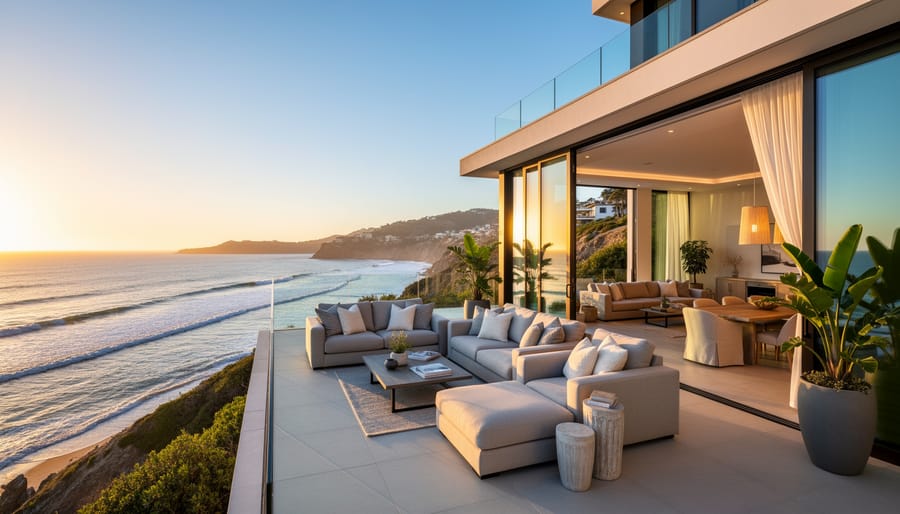
When you need to sell quickly, your biggest asset is what can’t be replicated: the coastal location itself. Skip generic staging and instead amplify what makes your home special. Open every window treatment to flood rooms with natural light and frame those water views. If you have a deck or patio with ocean access, stage it as an inviting outdoor room with simple seating, buyers need to imagine their morning coffee there. Inside, keep decor minimal but coastal-authentic: a few well-placed shells, driftwood, or nautical touches that feel collected rather than themed.
For photography, timing matters enormously. Schedule shoots during golden hour when sunlight enhances the water, and capture seasonal elements like beach grass or dramatic skies that evoke the lifestyle. Highlight unique features like outdoor showers or those beach bathroom ideas with porthole windows. Include lifestyle shots: the beach access path, sunrise from the master bedroom, the nearby pier. These images sell the irreplaceable experience of coastal living, making buyers act fast before someone else claims it.
The Quick Cash Sale Route: What You Need to Know
How Cash Buyers Evaluate Coastal Properties
Cash buyers evaluate coastal properties through a fundamentally different lens than traditional homebuyers. While a family might fall in love with your sunrise views, investors are running numbers on repair costs, rental potential, and resale value.
Location drives everything for cash buyers. They’ll analyze your proximity to the beach, flood zone designation, and whether your area attracts year-round residents or seasonal renters. Properties within walking distance to the water command attention even if they need work, while homes farther inland face tougher scrutiny. They’re also checking your neighborhood’s track record, has it appreciated steadily, or does it swing wildly with tourism trends?
Condition matters, but not how you’d expect. Cash buyers aren’t scared off by outdated kitchens or worn decks the way traditional buyers are. Instead, they’re calculating hard costs: foundation issues from salt air exposure, HVAC systems compromised by humidity, windows failing from coastal storms. They’ll bring contractors who know coastal construction and understand what needs immediate attention versus cosmetic updates.
The coastal maintenance burden gets factored into their offer. They’re estimating ongoing costs for things like repainting exterior trim every few years, replacing corroded fixtures, and managing higher insurance premiums. Properties with recent roof replacements, impact-resistant windows, or documented hurricane preparedness measures score better evaluations. They want homes that won’t drain profits through constant coastal-specific repairs.
Timeline Expectations and Process
When you contact a cash buyer about your coastal property, here’s what the timeline typically looks like, and it’s remarkably faster than traditional sales. Most cash transactions close within two to three weeks, though some can wrap up in as little as seven days if all parties are motivated and organized.
- Initial contact and property details (Day 1-2): You reach out with basic information about your home. The buyer asks questions about condition, location, and your timeline.
- Property evaluation (Day 2-5): The buyer either visits in person or requests photos and details. For coastal homes, they’ll specifically assess salt air damage, foundation stability, and flood risk.
- Offer presentation (Day 5-7): You receive a written cash offer with no financing contingencies. Take time to review it carefully, faster doesn’t mean you can’t negotiate.
- Acceptance and contract (Day 8-10): Once you accept, the buyer’s attorney or title company prepares the purchase agreement. This is when you’ll need your deed, property survey, and any homeowner association documents.
- Title search and insurance (Day 10-17): While this happens behind the scenes, clear any outstanding liens now to avoid delays.
- Final walkthrough and closing (Day 18-21): A brief final inspection, then you sign papers and receive funds, often via wire transfer the same day.
The documentation you’ll need ready includes your property deed, recent tax statements, any warranties on major systems, homeowner’s insurance declarations, and disclosure forms about the property’s condition. For coastal homes specifically, have flood insurance documentation and any elevation certificates handy, cash buyers appreciate transparency about coastal-specific concerns.
The biggest delay trap? Unclear property titles or undisclosed liens. Run a preliminary title check yourself before listing, and disclose any easements or deed restrictions upfront. Some sellers also slow things down by being unavailable for signatures, stay responsive during this compressed timeline, even if it means arranging remote notarization for documents.
Alternative Fast-Sale Strategies for Coastal Homes
Selling to a cash buyer isn’t your only option when time matters. Several alternative strategies can accelerate your coastal home sale while potentially netting you more money than a traditional cash offer.
**Owner financing** creates immediate opportunities with buyers who love your property but face mortgage challenges. Many coastal properties fall outside conventional lending parameters due to flood zone designations or unique construction features. By offering to carry the note yourself, you expand your buyer pool dramatically. You’ll collect a down payment immediately, typically 10-20%, then receive monthly payments with interest, often at rates above what banks currently offer. The sale closes quickly since you’re not waiting on mortgage approval, yet you maintain a secured interest in the property until they refinance or pay off the balance.
**Lease-purchase agreements** get you committed buyers now with a full sale later. A qualified tenant moves in immediately, paying above-market rent with a portion credited toward their eventual purchase. You receive cash flow right away, lock in your sale price, and typically close within 12-24 months. This works particularly well for coastal homes during off-season when traditional buyers thin out. The tenant has skin in the game and maintains the property while working toward ownership.
**Auction sales** create artificial urgency that drives action. Absolute auctions guarantee your home sells on auction day regardless of price, terrifying but effective when you absolutely must close quickly. Reserve auctions set a minimum acceptable price while still compressing the timeline dramatically. Professional real estate auctions typically close within 30-45 days and attract serious buyers with financing already arranged. The competitive bidding environment sometimes produces surprising results, especially for unique coastal properties with strong emotional appeal.
**Strategic price reductions** sound obvious but require finesse. Rather than gradual drops that signal desperation, consider one significant reduction, 15-20% below comparable sales, that resets market perception entirely. This bold move generates fresh interest, triggers new buyer alerts, and positions your home as the best value available. Paired with a limited-time frame, it creates genuine urgency without the discount stigma of multiple small cuts.
Each strategy involves trade-offs between speed, certainty, and maximum price. Your specific situation determines which approach makes sense.
Pricing Your Coastal Home for a Quick Sale
Pricing a coastal home when you need speed requires a different mindset than traditional selling. Your goal isn’t to squeeze out every last dollar, it’s to price at a point where serious buyers say yes immediately rather than thinking it over for weeks.
Start by getting a realistic comparative market analysis from a local agent who knows coastal properties intimately. But here’s the crucial part: you’re not pricing at market value. For a quick sale, you’re typically pricing 5-10% below recent comparable sales in your area. This might sting initially, but it creates urgency and often triggers competitive interest that brings offers closer to your asking price anyway.
Coastal properties have unique pricing psychology. Buyers shopping for waterfront homes often have emotional attachments to specific areas and will move fast when they see value. They’re comparing your home to coastal retreat ideas they’ve been dreaming about for years. Price it right, and you tap into that desire rather than making them calculate and reconsider.
Avoid the temptation to price high with plans to drop later. In coastal markets, properties that sit develop a stigma fast. Buyers wonder what’s wrong. That first two weeks on the market is your golden window when your listing gets maximum attention from active buyers.
If you’re working with cash buyers directly, remember they’re using different math than retail buyers. They’re calculating renovation costs and profit margins. A fair cash offer typically runs 70-85% of retail value depending on your home’s condition and the local market strength.
Red Flags to Avoid When Selling Fast
When you’re eager to close quickly, it’s tempting to accept the first offer that comes along, but some warning signs demand your attention. An offer significantly below market value, say, 30% or more under comparable coastal properties, deserves scrutiny, especially if the buyer claims it’s because of minor cosmetic issues or weather-related wear that’s normal for coastal homes.
Watch for buyers who suddenly change terms after you’ve committed, requesting last-minute price reductions for “newly discovered” issues or extending closing dates indefinitely. Legitimate cash buyers provide clear timelines and stick to their written offers. If someone asks you to pay upfront fees for inspections, appraisals, or processing before closing, that’s a red flag; reputable buyers cover their own costs.
Even when time is tight, insist on having your own real estate attorney review any contract, not one the buyer recommends. This modest investment protects you from signing away rights you didn’t understand or accepting terms that favor the buyer disproportionately. Remember that needing to sell fast doesn’t mean surrendering your ability to negotiate or question terms that don’t feel right. Multiple cash buyers exist in most coastal markets, so you’re not obligated to accept the first offer, especially if it comes with uncomfortable pressure or confusing conditions.
Selling your coastal home quickly doesn’t mean you have to accept the first lowball offer or compromise your values. You’ve learned the strategies that work, understood what cash buyers really look for, and discovered how to protect yourself from predatory deals. Armed with this knowledge, you can move forward with confidence rather than desperation.
Yes, leaving a home where you’ve watched sunrises over the water and weathered literal and figurative storms can be emotionally complex. That connection to place is real, and it’s okay to feel bittersweet about closing this chapter. But sometimes the most loving thing we can do for ourselves is recognize when it’s time to move on.
The urgency that brought you here, whether financial pressure, life changes, or new opportunities, doesn’t diminish your right to fair treatment. A fast sale and a fair sale aren’t mutually exclusive. The right buyer or investor understands that coastal properties have inherent value, and respecting your timeline doesn’t give them license to take advantage.
Take a deep breath. Review your options with clear eyes. Trust your instincts about who you’re dealing with. And remember that every ending creates space for a new beginning. Your coastal home will become someone else’s haven, and you’ll carry those saltwater memories wherever the next chapter takes you. The waves will keep rolling in, just as new possibilities will keep rolling toward you.