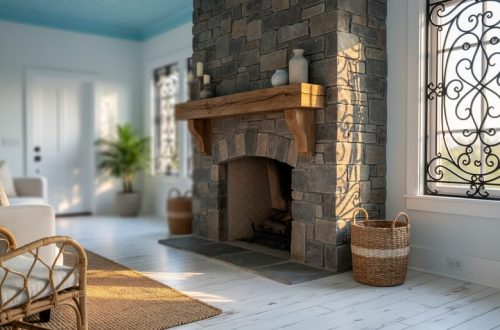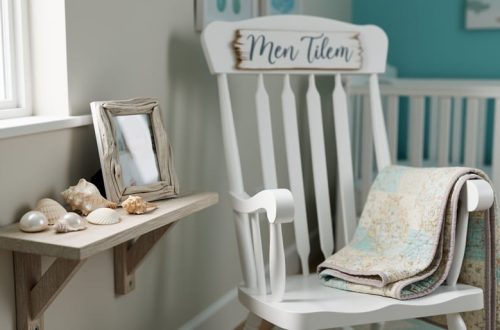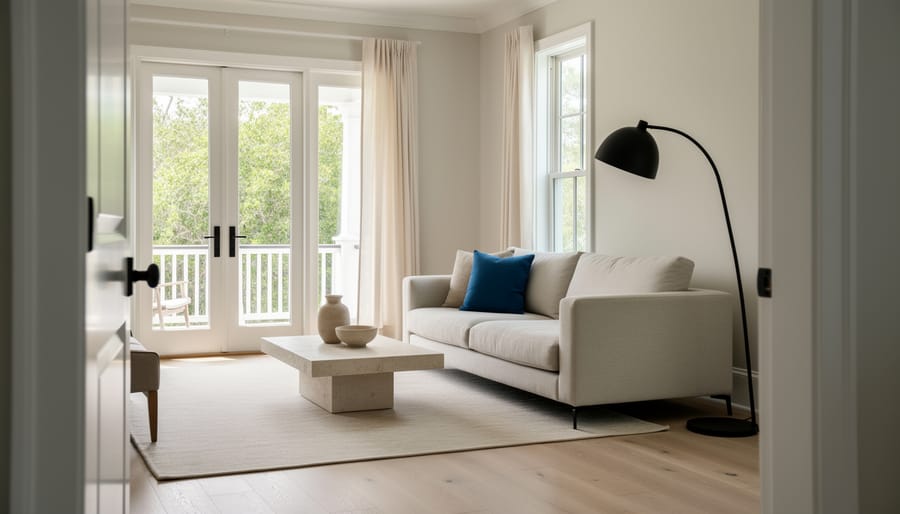
Modern home decor strips away the excess and gives you clean lines, functional beauty, and spaces that actually breathe. The approach centers on intentional design choices: neutral palettes anchored by bold accents, furniture that serves multiple purposes, and a celebration of natural materials and light. You’ll find the style particularly well-suited to Southern and coastal homes, where the emphasis on openness and connection to the outdoors already aligns with modern principles.
The beauty of modern decor lies in its adaptability. Whether you’re working with a bungalow in Charleston or a Gulf Coast cottage, these ideas translate across square footage and architectural styles. You’re not chasing trends that’ll look dated next year. Instead, you’re building a foundation of timeless elements that can evolve as your life does.
What makes modern decor resonate right now is its rejection of clutter and its embrace of quality over quantity. Southern homes have always understood the value of well-made pieces passed down through generations. Modern design honors that same principle while stripping away the fuss. The result feels both fresh and grounded, a space that welcomes you home without demanding constant upkeep or staged perfection.
The eight ideas ahead offer specific, actionable ways to bring modern sensibility into your rooms, with attention to how these choices work in our climate and culture.
How We Chose These Modern Decor Ideas
We curated these eight modern decor ideas with Southern and coastal homeowners specifically in mind. Each concept balances timeless design principles with what’s resonating in 2026, ensuring your space feels current without chasing fleeting fads. Our selection criteria focused on four key factors: regional relevance, meaning these ideas complement the warm, inviting character of Southern homes rather than fighting it; accessibility, so DIY enthusiasts and everyday homeowners can implement them without specialized contractors or sky-high budgets; aesthetic balance, blending clean modern lines with the textures and colors that make coastal and Southern interiors feel like home; and practical livability, because beautiful design only works when it fits real life.
These concepts draw inspiration from what’s emerging at international design showcases like Maison & Objet in Paris (January 15-19, 2026), IMM Cologne in Germany (January 20-23, 2026), and the Interior Design Show in Toronto (January 22, 2026), but we’ve translated those professional trends into approachable, everyday styling guidance. You won’t need to attend a European trade fair to bring these looks home. Instead, we’ve focused on ideas you can start implementing this weekend with resources already available in your community.
1. Organic Minimalism with Natural Textures
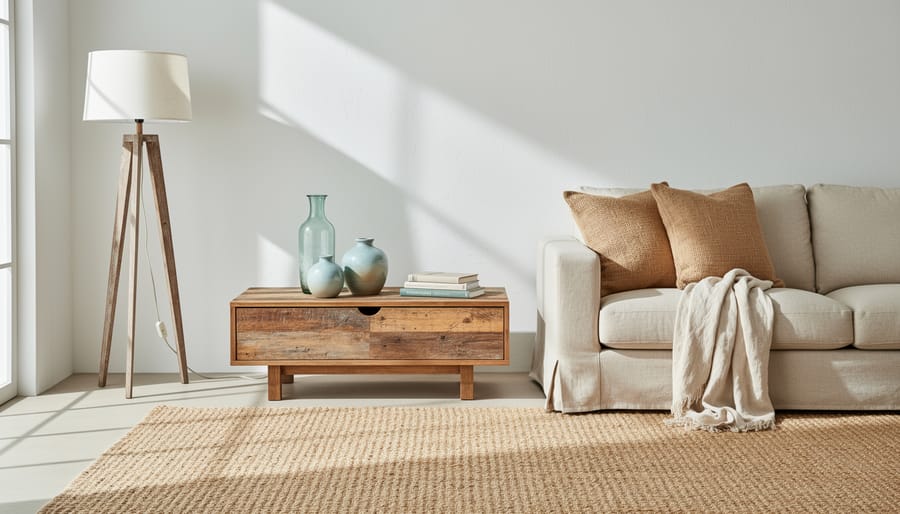
Organic minimalism bridges the gap between modern design’s crisp simplicity and the warmth Southern homes are known for. Instead of stark white walls and cold metal surfaces, this approach layers in natural textures, think chunky jute rugs underfoot, linen slipcovers on streamlined sofas, and reclaimed wood beams that add character without clutter. The result feels intentional and uncluttered, yet inviting enough for Sunday suppers and lazy coastal afternoons.
Start with a foundation of neutral tones: creamy whites, soft taupes, warm grays, and sandy beiges that mirror beach landscapes. These colors let the textures do the talking. A sleek, low-profile sofa gains personality when you drape it with a handwoven throw or stack linen pillows in varying weights. Swap plastic storage bins for handwoven seagrass baskets, they organize just as well but add that tactile, organic quality modern spaces often lack.
In the kitchen or dining area, consider open wooden shelving in place of upper cabinets, or a live-edge dining table paired with simple, sculpted chairs. Layer textures deliberately: a raw wood console against a smooth plaster wall, linen napkins on a stone tabletop, a ceramic vase holding dried pampas grass. Each element stays simple on its own, but together they create depth and warmth. The key is restraint. Choose pieces you love, give them space to breathe, and let the natural materials soften the modern lines without overwhelming them.
2. Curved Furniture for Softer Silhouettes
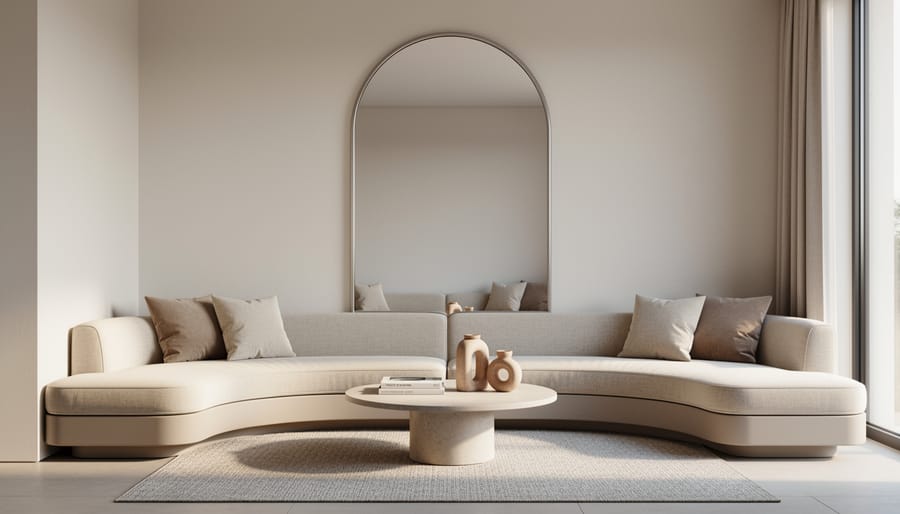
Curved furniture has become a defining feature of modern design, and it’s especially well-suited to Southern homes where hospitality and conversation matter. A curved sofa invites people to gather rather than line up in a row, creating a natural hub for storytelling and connection. Rounded coffee tables eliminate sharp corners, making rooms feel safer and more fluid, a practical choice for families and a visual softening agent in spaces with hard flooring and tall ceilings common in the South.
Arched mirrors amplify this effect by echoing doorways and window shapes while reflecting light in a gentle, organic way. They work beautifully above mantels or console tables, adding dimension without the rigid geometry of rectangular frames. Pair a curved accent chair with a straight-backed dining set, or position a round side table beside a square sectional. This interplay between curves and straight lines prevents spaces from feeling too soft or too severe.
Open-concept Southern homes benefit particularly from curved pieces because they guide movement and define zones without walls. A rounded chaise or barrel chair can anchor a reading corner within a larger living area, creating intimacy in an expansive room. The effect is welcoming rather than stark, modern design that still feels like home.
When shopping, look for pieces with substantial frames and quality upholstery. A well-made curved sofa becomes a long-term investment that shapes how your family uses a room, not just how it looks.
3. Coastal-Modern Color Palettes
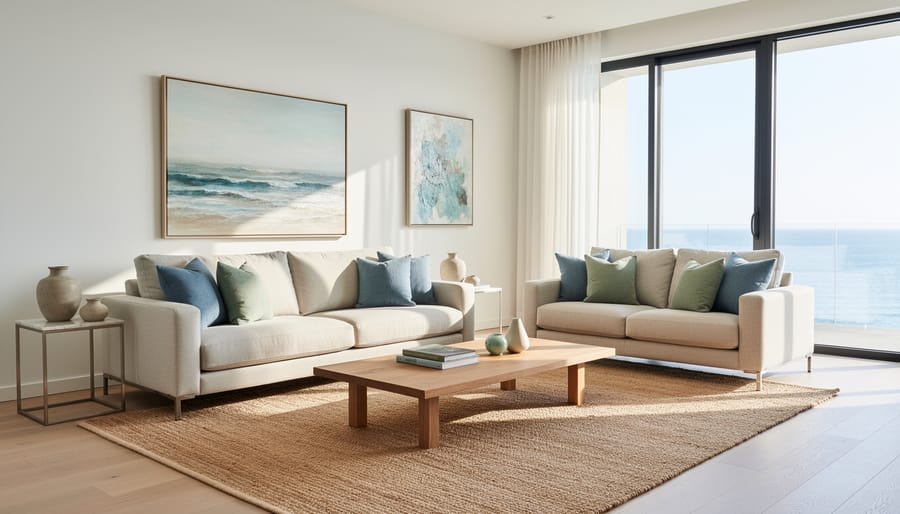
Color sets the foundation for modern coastal style, and the palette you choose can make or break the sophisticated serenity you’re after. The best coastal-modern schemes draw from the landscape, sky, sand, sea, and dune grasses, but they apply these hues with restraint and intention rather than literal beach-house literalism.
Start with a neutral base of warm whites and sandy beiges on walls and larger upholstered pieces. These tones create breathing room and prevent the space from feeling busy, while their warmth keeps things inviting rather than sterile. Layer in soft blues and muted greens through accent chairs, throw pillows, and artwork to introduce color without overwhelming the eye. The key is choosing desaturated versions of these hues: think fog-blue rather than bright turquoise, sage rather than kelly green.
For practical application, consider these combinations:
- Warm white walls paired with linen-upholstered sofas in sandy beige and blue-gray accent pillows
- Soft dove-gray paint with natural jute rugs and muted seafoam green ceramics on open shelving
- Greige (gray-beige) as a wall color with driftwood-toned furniture and dusty blue throw blankets
- Creamy off-white throughout with pops of terracotta and olive green in artwork and planters
The magic happens in the balance. Use your neutrals for 60-70% of the space, mid-tones for 20-30%, and reserve the richer coastal colors for 10% as accents. This ratio keeps the modern aesthetic clean while letting Southern warmth shine through. Avoid stark white-on-white schemes, which can feel cold in our sun-drenched climate, and skip anything too saturated or primary. The goal is a palette that shifts subtly with natural light throughout the day, creating a calm backdrop for living rather than demanding attention.
4. Statement Lighting with Sculptural Appeal
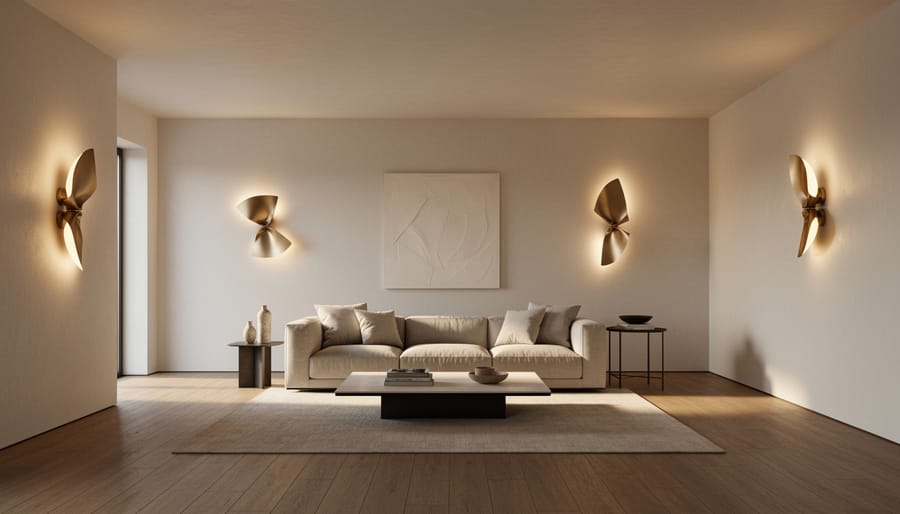
Lighting has evolved beyond simple illumination, it now commands attention as sculptural centerpiece in modern homes. A thoughtfully chosen pendant or chandelier with organic curves can transform an ordinary dining room into a gallery-like space, while an architectural floor lamp turns a reading corner into a designed moment. These fixtures work especially well in Southern homes with high ceilings and open floor plans, where they can fill vertical space without competing with the room’s natural flow.
The key is treating lighting as functional art. Look for fixtures with interesting materials: woven rattan for coastal warmth, blackened metal for industrial edge, or hand-blown glass for artisan appeal. Sculptural pieces catch light at different angles throughout the day, creating shadow play that adds depth to your walls. In rooms with built-in storage ideas or clean-lined cabinetry, a statement fixture provides that needed dose of personality.
Size matters more than you think. A too-small chandelier over a generous dining table reads timid; a properly scaled piece commands the space. For Southern homes, choose fixtures that feel substantial but not heavy, open metalwork designs or pieces with negative space keep things from feeling oppressive in warmer climates. Balance is everything: if your furniture skews traditional, let lighting bring the modern edge. And remember, dimmers are your friend, they let you adjust the mood from bright and energizing to soft and welcoming as the day unfolds.
5. Open Shelving and Curated Displays
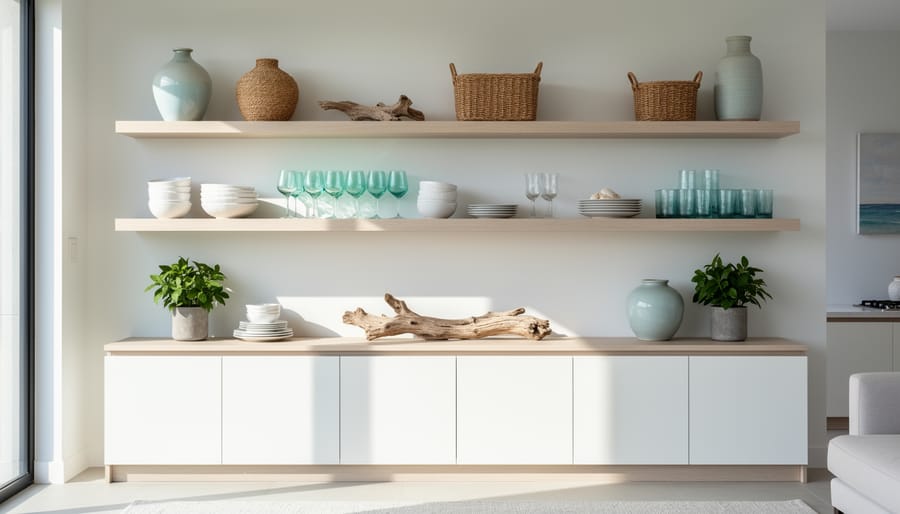
Open shelving transforms kitchens and living areas from closed-off storage into opportunities for personal expression. By removing upper cabinets and installing floating shelves or brackets, you create breathing room that makes spaces feel larger and more approachable. The key is curation, not accumulation.
Start by selecting items that tell a cohesive story. Group dishes by color rather than function. Display three or five objects together instead of lining up everything you own. White stoneware, vintage glass, and woven baskets create rhythm without chaos. If you collected shells from Hilton Head or pottery from a local artisan, this is where those pieces earn their keep.
Balance prevents open shelving from looking cluttered. Leave some sections empty. The negative space matters as much as what you display. Alternate heavy items with light ones, and avoid placing everything at eye level. This creates visual movement that guides the eye naturally across the arrangement.
For modern restraint with Southern warmth, think about how the same principles that guide your choice of porch ceiling material apply inside too. Both decisions blend function with beauty and regional character. Your shelves should work hard but look effortless.
Rotate displays seasonally. Swap heavy ironstone for light linen in summer, or feature holiday heirlooms in winter. This approach keeps your modern space from feeling static while honoring the pieces that matter to your family’s story.
6. Biophilic Design: Bringing the Outdoors In
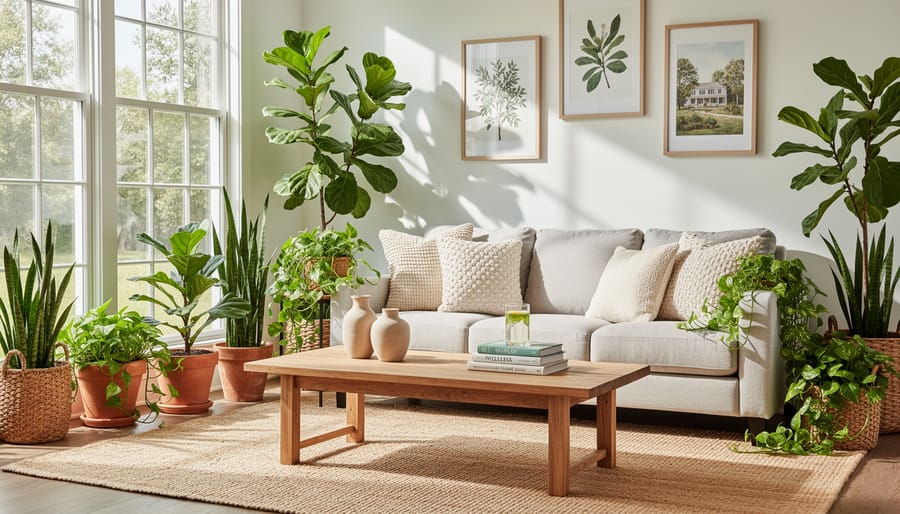
Southern homes have always understood the power of bringing nature close, from wide front porches lined with ferns to gardens that blur the line between indoors and out. Biophilic design takes that instinct and weaves it into modern interiors through strategic use of plants, natural light, and organic materials that support both beauty and wellbeing.
At its core, biophilic design recognizes that humans thrive when surrounded by living things. In modern spaces, this translates to generous windows that flood rooms with daylight, potted plants that soften sharp corners, and even vertical gardens that transform blank walls into breathing focal points. The approach fits naturally into Southern homes where the climate already invites year-round greenery and where the outdoor lifestyle has always been central to daily living.
The key is selecting plants that suit both your interior light conditions and the Southern climate. Low-maintenance options work best for busy homeowners who want impact without constant fussing:
- Snake plants tolerate low light and infrequent watering while purifying indoor air
- Pothos vines trail beautifully from shelves and adapt to various light levels
- Fiddle leaf figs make dramatic statements in bright corners with their sculptural leaves
- ZZ plants thrive on neglect and handle the heat when placed near sunny windows
- Peace lilies add elegance to shaded spots and signal when they need water
Consider how the farmhouse vs modern debate plays out in plant styling: farmhouse leans toward rustic terracotta and trailing ivy, while modern biophilic design favors clean ceramic planters and architectural plant forms like bird of paradise or monstera. Mix natural wood plant stands with sleek containers to bridge both aesthetics. Group plants in odd numbers at varying heights rather than spacing them evenly, and watch how they transform sterile corners into living, breathing spaces that honor both modern design principles and Southern tradition.
7. Mixed Materials for Depth and Interest
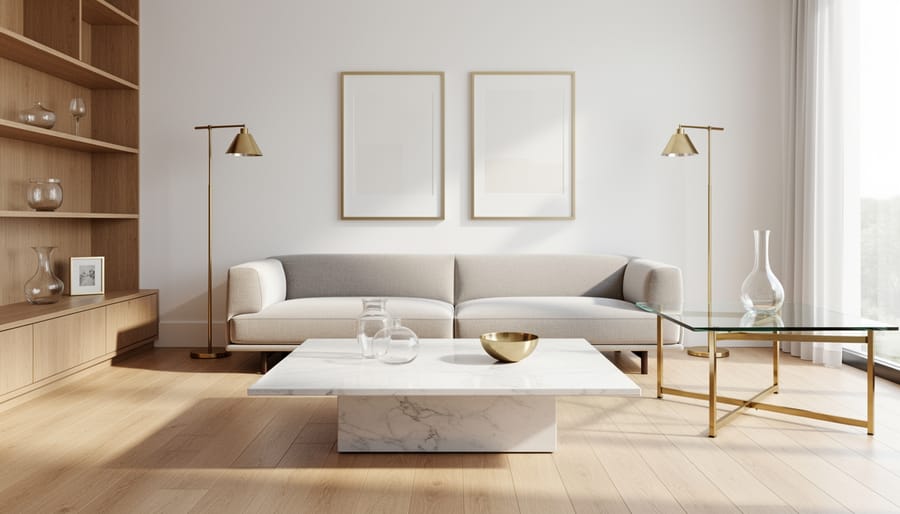
Modern spaces gain remarkable depth when you layer different materials throughout a room rather than committing to just one finish. A marble coffee table with brass legs instantly becomes more dynamic than an all-wood piece, while exposed wood ceiling beams paired with sleek metal pendant fixtures create conversation between rustic and refined. The key is choosing materials that contrast in texture and temperature, smooth glass against rough stone, warm wood against cool metal, so each element stands out without competing.
Start with one statement piece that combines two materials, like a dining table with a concrete top and iron base, then echo those materials elsewhere in smaller doses. You might add a glass-and-brass bar cart, stone coasters on wooden side tables, or metal frames around woven wall art. This repetition ties the room together while maintaining variety.
The beauty of mixed materials lies in how they catch and reflect light differently, adding visual interest even in neutral color schemes. A room with all-white walls and furniture can feel flat, but introduce a marble backsplash, walnut shelves, and brushed nickel hardware, and suddenly you’ve got dimension. Southern homes with traditional architectural details benefit especially from this approach, original brick fireplaces or hardwood floors become intentional design features when paired with contemporary modern Southern accessories in contrasting materials.
Don’t overthink proportions. Three different materials per room typically feels balanced, while five or more risks looking chaotic unless you’re deliberately showcasing a collection.
8. Personalized Art and Local Craftsmanship
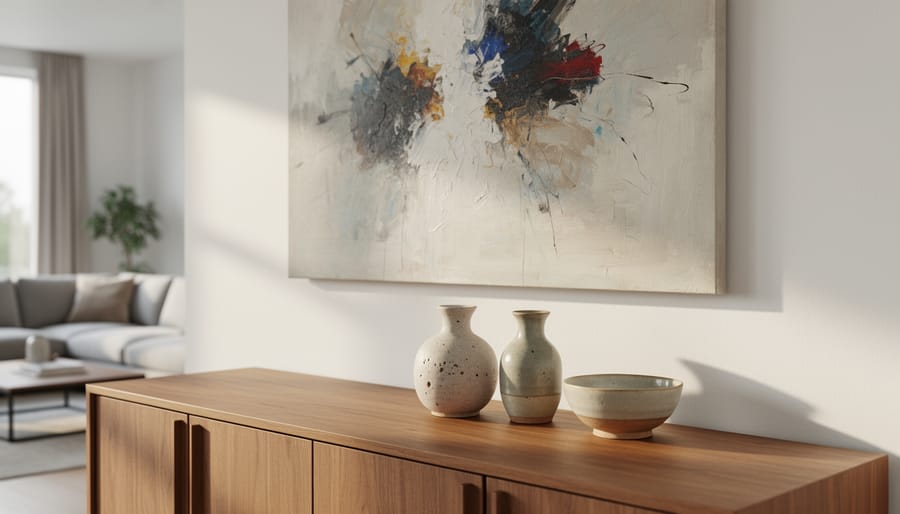
Modern design reaches its fullest potential when it reflects the place and people who inhabit it. Supporting local Southern artists and craftspeople transforms a stylish space into one with genuine soul. A handthrown ceramic vase from a Charleston potter or a watercolor by a Savannah artist carries stories and textures that mass-produced pieces simply can’t replicate.
Regional craftsmanship offers natural warmth that balances modern minimalism. Consider a live-edge wood console made by a North Carolina woodworker, or woven wall hangings from textile artists working in Alabama and Georgia. These pieces introduce organic imperfection and human touch into clean-lined interiors, preventing them from feeling cold or showroom-sterile. Framed fabric art using regional patterns or coastal motifs can anchor a gallery wall while celebrating local traditions.
Local makers also understand Southern light, humidity, and lifestyle in ways that distant manufacturers don’t. Their work often incorporates materials native to the region, sweet grass, cypress, indigo dyes, creating authentic connections between your home and its landscape. Visit artists’ studios, coastal markets, and regional craft fairs to discover original pieces.
Your investment supports creative communities while ensuring your modern space tells a story that’s distinctly yours. When friends ask about that sculptural clay piece or those hand-dyed pillows, you’ll have a story beyond “I found it online”, and that narrative depth is what turns a well-decorated room into a home.
Making Modern Work for Your Southern Home
Modern decor doesn’t ask you to strip away the warmth and hospitality that define Southern living. It invites you to refine your space with intention, keeping what you love and editing what feels heavy or dated. The result is a home that breathes easier while still telling your story.
You don’t need a complete overhaul or a designer’s budget to embrace modern principles. Pick a single room, try mixing natural textures with your existing pieces, or simply declutter one surface to create breathing room. The best modern spaces aren’t magazine-perfect replicas. They’re lived-in, personal, and unmistakably yours.
Common Questions About Modern Home Decor
Can modern decor feel warm and inviting?
Absolutely. Modern decor becomes warm when you layer in natural textures like linen, jute, and wood, and choose softer color palettes instead of stark whites and grays. The key is balancing clean lines with organic materials and personal touches that make the space feel lived-in rather than gallery-like.
How do I mix modern pieces with traditional Southern furniture?
Start by keeping your favorite traditional anchor pieces and surrounding them with modern elements that share similar tones or materials. A grandmother’s wooden sideboard pairs beautifully with sleek modern dining chairs, while a classic upholstered sofa can sit alongside a minimalist coffee table without conflict.
Is modern decor expensive to achieve?
Not necessarily. Modern style actually thrives on editing and restraint rather than accumulation, which can save money. You’ll spend less by investing in fewer, well-chosen pieces and leaving breathing room in your space instead of filling every corner.
What’s the difference between modern and contemporary design?
Modern design refers to a specific historical period (roughly 1920s, 1950s) with defined characteristics like clean lines and minimal ornamentation. Contemporary design simply means what’s happening now, so it evolves constantly and can incorporate various influences including modern principles.
How do I start transitioning to a more modern style?
Begin with one room and one change at a time. Clear surfaces and declutter first, then swap out one major element like lighting or a furniture piece. This gradual approach lets you test what feels right for your home without overwhelming your space or budget.
Remember that modern decor works best when it reflects your personality and lifestyle. Southern homes have always been about hospitality and comfort, and modern design simply offers a fresh framework for expressing those same values with fewer visual distractions and more intentional choices.