Diversity in South Carolina décor refers to the distinct design styles shaped by the state’s varied geography, from its beaches and marshlands to its upcountry farms and historic urban centers. Each region brings its own palette, materials, and traditions to the table, creating a rich mix of aesthetic options for homeowners. If you’re planning a renovation or refresh in 2026, understanding these regional influences helps you choose a direction that feels authentic to your location and personal taste.
South Carolina’s design landscape isn’t monolithic. The Lowcountry leans into airy coastal aesthetics with whitewashed wood, natural fibers, and haint blue accents that honor Gullah heritage. Charleston’s historic district celebrates preservation and elegance through Federal and Georgian architecture, intricate ironwork, and formal garden courtyards. Move inland to the Midlands, and you’ll find transitional styles that blend traditional Southern charm with modern convenience, often anchored by reclaimed heart pine and wraparound porches. The Upstate brings Appalachian sensibility: stone fireplaces, handcrafted furniture, and mountain lodge warmth.
This diversity matters because it offers homeowners a framework for cultural storytelling through design. Rather than chasing generic trends, you can root your home in the history and natural beauty of your specific corner of the state. Ahead, we’ll break down how these geographic and cultural factors combine to create South Carolina’s design identity, explore the defining characteristics of each regional style, and show you practical ways to apply these influences in your own space.
What South Carolina Design Diversity Means
South Carolina design diversity isn’t just about having lots of different styles, it’s the authentic layering of distinct cultural and geographic influences that create a uniquely varied decorating landscape within a single state. Unlike regions with more homogeneous design traditions, South Carolina showcases dramatically different aesthetics depending on whether you’re in a coastal cottage, a mountain home, or a Midlands farmhouse, all rooted in genuine historical and cultural heritage rather than arbitrary trends.
This diversity stems from centuries of cultural convergence. Native American traditions, African heritage brought by enslaved people, European colonial traditions and Caribbean influences didn’t blend into one homogeneous style, they created distinct regional pockets that still define how South Carolinians decorate today. A Charleston single house reflects different influences than an Upstate mill cottage or a Pee Dee farmstead, even though they’re all authentically South Carolinian.
Geography reinforces these cultural distinctions. The state’s dramatic environmental range, from Atlantic barrier islands through rolling Sandhills to Blue Ridge foothills, gave each region different building materials, climate challenges, and lifestyle patterns that shaped local design sensibilities. Coastal homes prioritized ventilation and hurricane resilience, mountain dwellings emphasized warmth and wood craftsmanship, while Midlands properties balanced both influences.
- Gullah
- West African-influenced culture of the Sea Islands and Lowcountry, expressed through bold colors, sweetgrass crafts, and indigo textiles that bring vibrant, nature-connected design elements.
- Lowcountry
- Coastal region aesthetic characterized by Charleston’s elegant historic architecture, piazza living, pastel palettes, and sophisticated tropical touches reflecting centuries of port city refinement.
- Upstate
- Northwestern region style blending Appalachian mountain craftsmanship with textile mill heritage and modern Greenville urban design, favoring natural materials and rustic-meets-refined aesthetics.
- Midlands
- Central region centered on Columbia that acts as a design crossroads, blending coastal and inland influences with antebellum architecture and eclectic university-town sensibilities.
- Pee Dee
- Northeastern agricultural region with distinctive tobacco barn inspiration, piney woods character, and rural Southern farmhouse aesthetics that differ from both coast and mountains.
Understanding these foundational influences helps you identify which South Carolina design tradition resonates with your home’s architecture, location, or your family’s heritage, creating spaces that feel rooted in something real rather than assembled from a generic “Southern style” checklist.
How South Carolina’s Design Diversity Works in Your Home
South Carolina design diversity isn’t about throwing together random regional elements, it’s about understanding which influences resonate with your specific situation and weaving them together purposefully. The process starts with three key considerations that act as your compass: your home’s physical location and environment, the architectural bones you’re working with, and the cultural or aesthetic story you want to tell.
Location shapes everything from practical choices to aesthetic sensibility. A home near the coast naturally accommodates Lowcountry elements, think breezy linen curtains, shell collections, and weathered wood that can handle humidity. The same pieces would feel forced in an upstate home where mountain lodge influences make more sense: heavier textiles, stone accents, and rustic woodwork that speaks to Appalachian craftsmanship. Your climate dictates materials, your landscape informs color palettes, and your regional context provides authenticity.
Architecture provides your foundation. A 1920s Craftsman bungalow has different design DNA than a mid-century ranch or a contemporary build. The Craftsman naturally accepts Upstate textile mill heritage and handcrafted details. The ranch house might blend Midlands eclecticism with resort-style indoor-outdoor flow. Fighting your home’s architectural character creates dissonance; working with it creates cohesion.
Cultural heritage and personal connection matter most. If your family has Gullah roots, incorporating sweetgrass baskets and indigo textiles isn’t trendy, it’s deeply meaningful. If you vacation regularly on Hilton Head, bringing island-casual elements into your primary home extends that sense of ease. The question isn’t which South Carolina influence is “best” but which one speaks to your story. Authenticity comes from genuine connection, not from checking off regional boxes. Start with what feels true to you, then layer in complementary elements from other regions where they naturally fit your space and lifestyle.
Regional Design Styles Across South Carolina
Lowcountry and Coastal Influences
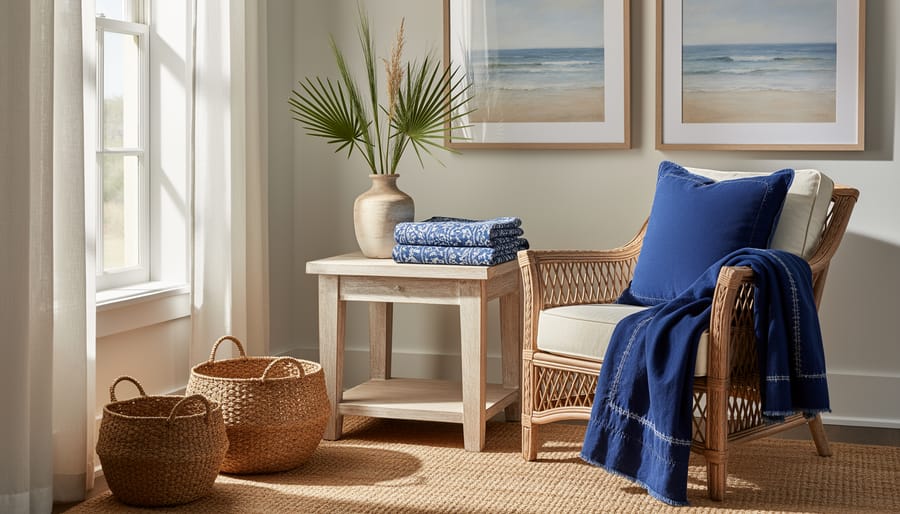
Charleston sets the tone with its grand piazzas painted in soft historic hues, Charleston Green, Haint Blue, and warm creams that glow against ornate ironwork. These colors weren’t chosen randomly; they reflect centuries of Caribbean and European influence mixing along the harbor. Beaufort carries similar waterfront sophistication but with a slightly more relaxed interpretation, where stately columns meet casual shrimp boat practicality.
The Gullah culture adds perhaps the most distinctive layer to Lowcountry design. Sweetgrass baskets, woven using techniques preserved from West African rice cultivation, bring intricate texture and golden warmth to any room. Display them as sculptural wall art or use them functionally; either way, they carry profound cultural significance. Indigo textiles honor another West African tradition, introducing deep blues that range from midnight to sky depending on dye concentration. These fabrics work beautifully as throw pillows, table runners, or framed textile art.
Gullah color stories go far beyond indigo. Expect vibrant yellows, rich teals, and sunset oranges that reflect both West African aesthetic traditions and the Lowcountry’s natural palette of marsh grasses and spectacular sunsets. These bold colors often appear on shutters, front doors, and coastal porch details where they create welcoming energy.
The result is a design language that balances formal elegance with cultural richness, where European architectural bones support layers of African heritage and coastal practicality.
Upstate and Mountain Traditions
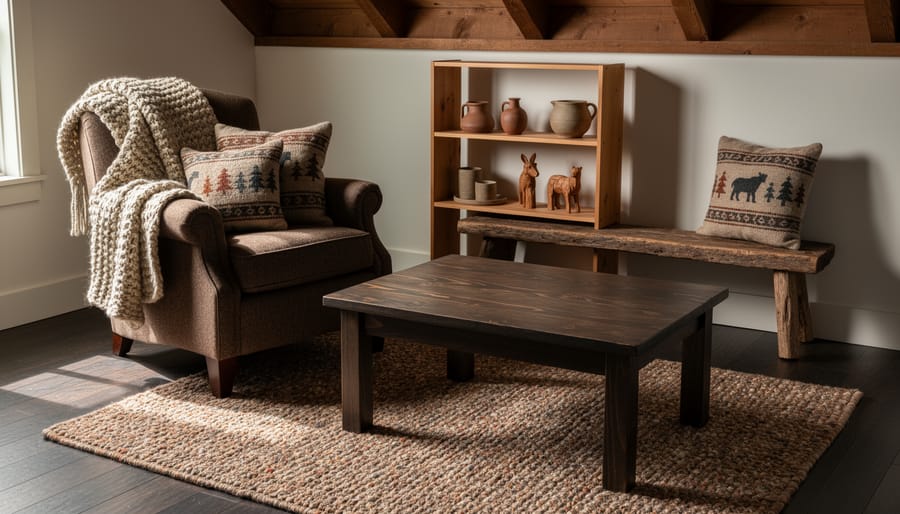
South Carolina’s Upstate region showcases a distinctly different aesthetic from the coastal areas, shaped by the Blue Ridge foothills and Appalachian traditions. Greenville and surrounding communities blend mountain heritage with sophisticated urban sensibilities, creating spaces that feel both grounded and polished.
Appalachian craftsmanship forms the foundation here. You’ll see handcrafted furniture with visible joinery, cherry and walnut woods that showcase natural grain patterns, and woven textiles that reference generations of mountain weaving traditions. Quilts often serve as wall art, honoring both craft heritage and practical beauty.
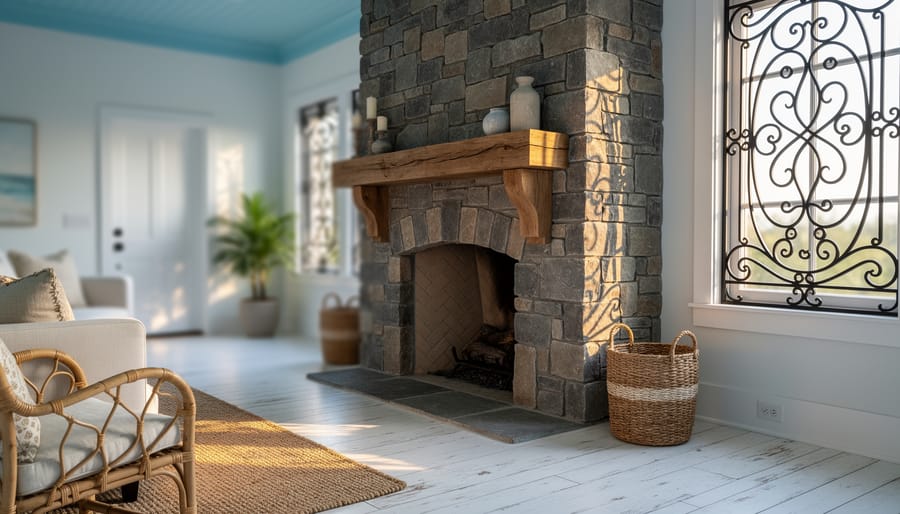
The rustic mountain lodge aesthetic appears in exposed beam ceilings, stone fireplaces that anchor living spaces, and leather furnishings with warm patinas. Natural materials dominate: river rock accents, reclaimed barn wood, and iron hardware that nods to blacksmith traditions still practiced in these hills.
The region’s textile mill history surfaces through industrial elements like brick walls, vintage loom parts as décor, and a respect for quality fabric that reflects manufacturing pride. Modern Upstate design balances this heritage with clean lines and neutral palettes, creating transitional spaces where a handwoven throw drapes over a contemporary sofa, or factory windows frame mountain views in renovated mill buildings turned lofts.
Midlands and Capital City Style
Columbia and the Midlands region occupy South Carolina’s geographic heart, and that central position creates a fascinating design blend you won’t find elsewhere in the state. Unlike the distinctly coastal Lowcountry or mountain-influenced Upstate, this area mixes elements from both, creating what designers call a transition aesthetic.
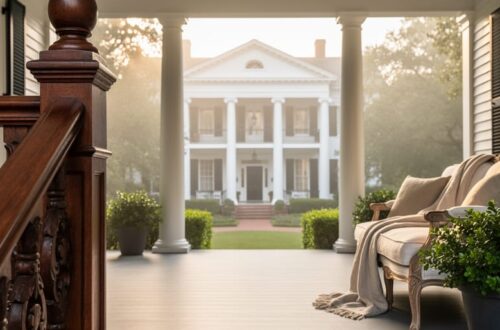
The capital city’s antebellum architecture sets a formal foundation with Greek Revival columns, high ceilings, and symmetrical layouts that echo old Southern wealth. You’ll see this in historic neighborhoods like Shandon and The Congaree Vista, where restored homes balance grandeur with livability.
University of South Carolina’s presence adds unexpected layers of eclecticism. Student-driven energy means more experimental color choices, vintage thrift finds mixed with modern pieces, and a resistance to overly precious design. Think exposed brick lofts furnished with grandmother’s sideboard next to industrial metal shelving.
The Midlands aesthetic works beautifully if your home straddles formal and casual. You might pair traditional mahogany furniture with relaxed linen slipcovers, combine coastal blues with inland earth tones, or display both sweetgrass baskets and Appalachian pottery. This region proves that blending supposedly opposite influences often creates the most interesting, livable spaces.
Pee Dee and Sandhills Character
The Pee Dee and Sandhills regions reveal a quieter, more understated aesthetic rooted in agricultural practicality and the distinctive longleaf pine ecosystem. Unlike the coast’s humidity-weathered elegance or the mountains’ rustic stone, this area draws inspiration from tobacco barns, cotton fields, and sandy soil that creates its own design vocabulary.
Weathered barn wood in reddish-brown tones becomes a signature material here, often repurposed for accent walls or furniture pieces that carry genuine regional character. The color palette leans toward warm tans, sage greens, and burnt umber, echoing the sandy hills and pine forests rather than ocean blues or mountain grays.
Functional farmhouse elements dominate: wide plank floors, simple shaker-style cabinetry, and unadorned furniture that prioritizes durability over ornamentation. Quilts and woven textiles reference the area’s textile heritage, while wrought iron fixtures nod to practical farm implements.
This stripped-down, honest approach creates spaces that feel grounded and unpretentious, a refreshing counterpoint to more elaborate coastal or Lowcountry interiors, proving South Carolina’s design diversity extends well beyond its famous shores.
Resort and Island Living
South Carolina’s resort communities and barrier islands have developed their own relaxed design vocabulary shaped by vacation-home living and coastal accessibility. Hilton Head pioneered the natural-integration approach, with homes tucked into maritime forests featuring screened porches, hurricane-resistant shutters, and weathered wood that blends with live oak canopies. Myrtle Beach leans toward brighter, more playful beach-house style with surfboard accents, coral and turquoise palettes, and open-plan layouts that maximize ocean views. Across the Sea Islands, design prioritizes easy indoor-outdoor flow through sliding glass walls, outdoor kitchens, and durable materials like stained concrete and marine-grade fabrics that stand up to salt air and sandy feet. This resort aesthetic celebrates casualness over formality, with furniture you can sink into after a day at the beach and collections of shells or driftwood that tell vacation stories year-round.
Applying South Carolina’s Diverse Design Elements
Start with a single design element that resonates with your personal story or your home’s architecture. A Charleston-style piazza works beautifully in any climate when you adapt the concept to your local conditions, think covered porches with ceiling fans, wicker furniture, and abundant ferns. If your home has mountain bones, embrace exposed beams and stone accents while softening the look with sweetgrass basket collections or indigo throw pillows that nod to Lowcountry heritage.
The kitchen offers endless opportunities to blend South Carolina’s regional influences. Install open shelving to display a mix of heirloom pottery from different eras, arrange vintage tobacco baskets as wall art, or choose a color palette inspired by coastal marshlands, soft greens, warm taupes, and weathered blues. Consider shiplap or beadboard backsplashes that reference both mountain farmhouses and barrier island cottages, creating coastal cottage warmth with rustic authenticity.
Layer textures throughout your home to capture South Carolina’s tactile richness:
- Living rooms: Mix rattan chairs with plush linen sofas, add Gullah-inspired quilts as throws, display Charleston battery prints alongside mountain landscape photography
- Kitchens: Combine butcher block counters with painted cabinets in historic colors, hang iron pot racks reminiscent of Lowcountry kitchens, incorporate open shelving styled with regional pottery
- Bedrooms: Layer white linens with indigo accent pillows, use sweetgrass baskets for storage, install plantation shutters or simple wooden blinds
- Outdoor areas: Create covered entertaining spaces with ceiling fans, arrange seating for conversation, add native plantings like palmetto palms or mountain laurel depending on your climate
Paint choices ground your space in South Carolina tradition without overwhelming it. Use Charleston Green on front doors or shutters, soft coastal whites on walls, or warm terracotta tones that reference both Spanish moss and clay soils. These colors work anywhere because they are rooted in natural landscapes rather than trendy palettes.
The key is selecting elements from different regions that share common threads, craftsmanship, natural materials, connection to place, rather than trying to recreate an entire regional style. One well-chosen sweetgrass basket carries more authenticity than a room stuffed with coastal clichés.
Common Questions About South Carolina Design Diversity
Can I mix Lowcountry and Upstate styles in the same home?
Absolutely. Many South Carolina homes blend coastal and mountain influences, especially in the Midlands transition zone. The key is finding a unifying element like natural materials, neutral foundations, or consistent wood tones that let both aesthetics coexist without clashing.
How do I honor Gullah culture respectfully in my décor?
Purchase authentic sweetgrass baskets and textiles directly from Gullah artisans when possible, learn the cultural significance of what you’re displaying, and avoid treating sacred or ceremonial items as mere decoration. Incorporate these pieces thoughtfully as focal points rather than scattered accessories.
What defines authentic South Carolina design?
Authentic South Carolina design reflects genuine cultural heritage, regional materials, and historical accuracy rather than generic “Southern” stereotypes. It draws from specific traditions like Charleston single houses, Appalachian timber work, or Gullah color palettes rather than manufactured plantation fantasies.
Does regional authenticity matter if I don’t live in South Carolina?
Authenticity matters more than geography. You can honor South Carolina design traditions anywhere by researching their origins, using quality materials that reflect true craftsmanship, and understanding the cultural stories behind your choices rather than just copying surface aesthetics.
The beauty of South Carolina’s design diversity is that it invites thoughtful exploration rather than rigid rules. When you approach these varied influences with respect and genuine curiosity, you’ll naturally avoid appropriation and instead create spaces with vintage Southern soul that feels both personal and authentic. Start with one regional influence that resonates with your own story or home’s architecture, then layer in complementary elements as you learn more about their origins and meanings.
South Carolina’s design landscape proves that diversity isn’t just a buzzword, it’s a living, breathing expression of the state’s soul. From the salt-washed elegance of Charleston porches to the mountain-hewn simplicity of Upstate homes, from vibrant Gullah textiles to the understated grace of Midlands parlors, this state offers a design vocabulary as varied as its people and geography.
What makes South Carolina special isn’t any single style, but rather how these influences coexist and complement each other. You can honor your coastal roots while borrowing warmth from mountain traditions. You can celebrate African heritage through color and craft while incorporating European architectural grace. The boundaries between regions blur beautifully when you understand the stories behind each element.
This rich tapestry exemplifies everything wonderful about Diversity in Southern Décor, the acknowledgment that Southern style has never been one thing, but rather a gorgeous collision of cultures, climates, and histories. Whether you’re redesigning one room or an entire home, South Carolina’s diverse design heritage invites you to create spaces that feel authentically yours while honoring the generations of craftspeople, artists, and homemakers who shaped these traditions. That’s the real beauty of bringing South Carolina home.