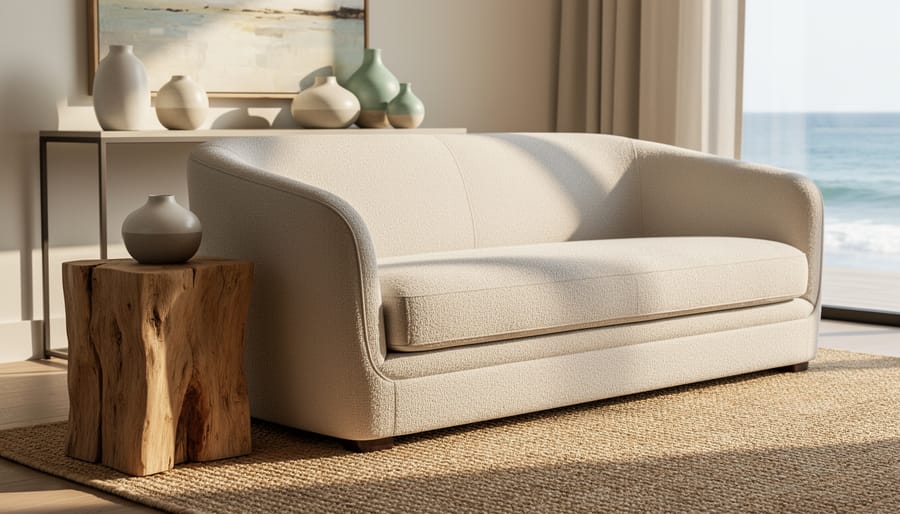
Shopping for Canadian home decor opens up a thriving cross-border market valued at over USD 16 billion in 2025, offering Southern and coastal homeowners access to quality furnishings, unique brands, and competitive pricing whether you’re browsing online from Canadian retailers or exploring stores on your next trip north. The appeal isn’t about adopting a distinctly “Canadian aesthetic,” but rather tapping into a practical sourcing opportunity that’s grown more accessible as online shipping and cross-border logistics have improved.
For those of us decorating Southern homes with coastal sensibilities, Canadian retailers offer an interesting alternative to the usual suspects. You’ll find many of the same contemporary trends shaping North American design in 2026, sculptural curves, luminous finishes, and richly layered textures, but with a selection that sometimes differs from what’s heavily promoted in U.S. markets. The Canadian market also reflects broader 2026 interior priorities: warmth, natural materials, and spaces designed with genuine intention rather than passing fads.
The real questions are practical ones. Which Canadian retailers ship to the U.S., and what are the cost implications? Are there duty considerations or shipping delays? Can you find pieces that complement your existing coastal or Southern style without looking out of place? And perhaps most importantly, when does it actually make sense to source from Canada versus buying domestically?
This guide walks through the landscape of Canadian home decor as a shopping strategy, covering major retailers and online options, what to expect when purchasing cross-border, current design trends influencing product offerings, and how to thoughtfully integrate these finds into Southern and coastal interiors without disrupting the flow you’ve already established.
Understanding the Canadian Home Decor Market in 2026
The Canadian home decor market is substantial and growing rapidly. According to the Canada home decor outlook the market was valued at USD 16,298.62 million in 2025 and is projected to reach USD 22,764.82 million by 2034. This growth reflects strong domestic demand and increasing interest from cross-border shoppers who are discovering the breadth of products available through Canadian retailers and manufacturers.
What makes Canadian home decor products distinct isn’t a unified design aesthetic, but rather the practical adaptations required for the Canadian market. Products sold in Canada typically feature bilingual labeling and metric measurements, which can affect everything from furniture dimensions to fabric care instructions. Many items are designed with cold-climate considerations in mind: thicker textiles, insulating window treatments, and materials that hold up to dry winter air and temperature fluctuations.
For Southern shoppers, these distinctions offer practical advantages. Canadian retailers often carry high-quality wool, linen, and natural wood pieces built for durability. The bilingual market also means access to both English and French design influences, creating product diversity you won’t always find in U.S.-only retailers. Online shopping has made cross-border purchasing straightforward, and the favourable exchange rate can offset shipping costs, making Canadian sources competitive for unique finds that complement coastal and Southern interiors without the premium markup of specialty import stores.
2026 Design Trends Shaping Canadian Home Decor Offerings
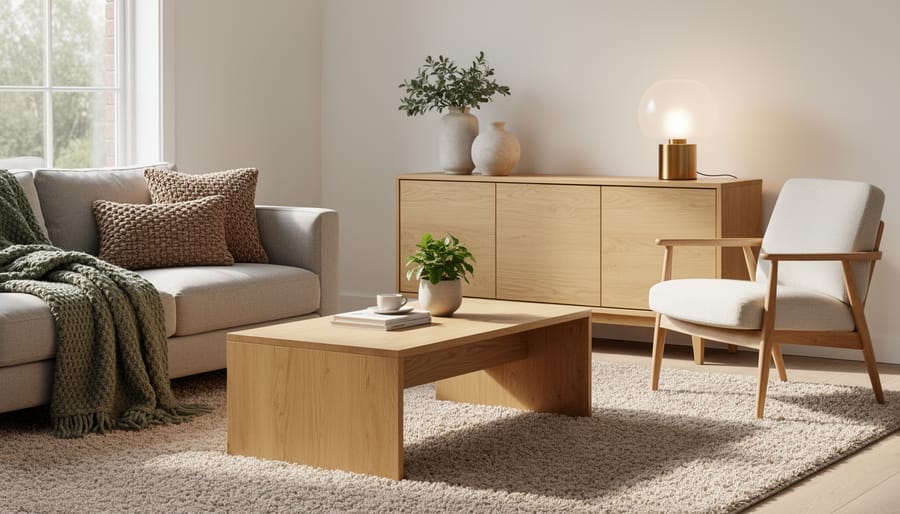
When you browse Canadian home decor retailers in 2026, you’ll notice several distinctive design trends that set these offerings apart. Understanding these patterns helps you identify pieces worth considering for your Southern coastal home and makes cross-border shopping more strategic.
Sculptural curves dominate Canadian product lines this year. Look for furniture with rounded edges, arched silhouettes, and organic shapes, curved sofas, circular mirrors, and furniture with flowing lines rather than sharp angles. Canadian manufacturers have embraced this shift away from angular minimalism, making it easier to find statement pieces that soften modern interiors.
Luminous finishes appear across lighting, hardware, and decorative objects. Canadian retailers stock plenty of brushed brass, warm metallics, and reflective glass pieces that catch light beautifully. These finishes work particularly well in coastal spaces where natural light is abundant, adding depth without overwhelming a room’s existing palette.
Texture layering shows up in Canadian textile offerings. You’ll find chunky knit throws, bouclé upholstery, natural weaves, and tactile fabrics designed for warmth, essential in Canada’s climate but equally valuable for adding dimension to Southern interiors. Canadian linen producers, in particular, offer high-quality pieces that layer well with cotton and lighter coastal fabrics.
The emphasis on natural materials runs strong. Canadian manufacturers favor wood, stone, ceramics, and natural fibers, reflecting both the 2026 trend toward connection with nature and Canada’s abundant resources. Look for solid wood furniture, handcrafted ceramics, and stone accents that bring authenticity and substance to a space.
Expressive design elements, bold patterns, saturated colors, artisan details, appear more frequently in Canadian collections than in past years. This shift toward personality over neutrality means you can find character-rich pieces that complement rather than clash with Southern coastal warmth. The key is selecting items where the expression feels intentional rather than trendy.
How to Shop for Canadian Home Decor (Online and Cross-Border)
Navigating Online Canadian Retailers

Shopping Canadian e-commerce sites is straightforward once you understand a few key differences. Most major Canadian retailers display prices in Canadian dollars, so expect to see CAD or $ next to listed amounts, your credit card will handle the conversion automatically at checkout, though exchange rates and foreign transaction fees vary by card issuer.
Bilingual product descriptions are common, especially on sites serving Quebec customers. You’ll often see French alongside English in product names, specifications, and care instructions. Don’t let this confuse you, scroll down or look for language toggles to view English-only descriptions. The actual product is the same regardless of which language you read.
Payment processing works much like U.S. sites. Major Canadian retailers accept Visa, Mastercard, American Express, and PayPal. Some may require a Canadian billing address for certain payment methods, though most accommodate international cards without issue. Create an account before shopping to save time at checkout and track shipments more easily.
Check return policies carefully before ordering. Canadian retailers’ return windows and restocking fees can differ from American counterparts, and cross-border returns may require you to cover return shipping costs. Download any order confirmations and keep screenshots of product pages, they’re helpful if questions arise later.
Cross-Border Shopping Considerations
Shipping from Canadian retailers to the Southern U.S. typically takes one to three weeks, depending on the carrier and customs processing speed. Standard ground shipping crosses the border more slowly than express options, so factor in extra time if you’re working toward a specific project deadline. Most Canadian retailers quote delivery times that exclude customs clearance, which can add several days during busy periods.
Duties and taxes depend on the item’s value, material, and country of origin, not all products sold by Canadian retailers are Canadian-made, which affects duty rates. The U.S. allows a $800 personal exemption for goods accompanying you across the border, but that doesn’t apply to shipped orders. Expect to pay duties on home decor items valued over that threshold, with rates varying by product category. Carriers often collect these fees on delivery, sometimes with a processing surcharge added on top.
Return shipping costs can quickly erase any savings, especially if you’re sending a bulky item back across the border. Check whether the retailer provides prepaid return labels for international orders or if you’ll need to arrange and pay for return shipping yourself. Warranty coverage is even trickier: many manufacturers honor warranties only within Canada, leaving you without recourse if a piece arrives damaged or develops defects after the return window closes. Clarify these terms upfront, particularly for larger furniture purchases or high-value lighting fixtures where the stakes are higher.
Blending Canadian Finds with Southern Coastal Style

Textiles and Soft Furnishings
Canadian textiles bring a practical warmth to coastal interiors without sacrificing the light, airy feel Southern homeowners love. Wool throws and blankets, often available through Canadian retailers in heavyweight blends designed for cold climates, layer beautifully over linen sofas and add cozy texture to bedrooms. Look for natural, undyed wool or subtle heathered tones that complement coastal palettes rather than compete with them.
Linen is another staple worth sourcing from Canadian suppliers, particularly heavier-weight versions suited to year-round use. Canadian linen curtains, duvet covers, and cushion covers often come with bilingual care instructions and metric sizing, so check dimensions carefully before ordering. These pieces work especially well in rooms where you’ve already considered coastal home factors like natural light and ventilation, linen’s breathability and relaxed drape enhance those qualities.
Fur-inspired accents, including faux sheepskin rugs and Mongolian lamb pillows, add unexpected softness to hardwood or tile floors common in coastal homes. Choose cream, ivory, or soft gray versions to keep the look fresh rather than rustic, and use them sparingly as accent pieces rather than dominant focal points.
Furniture and Statement Pieces
Canadian furniture often leans minimalist and functional, built from natural woods like maple, birch, and oak, qualities that translate surprisingly well to Southern coastal homes when chosen thoughtfully. Look for pieces with clean lines and visible wood grain that can anchor a room without competing with your existing coastal elements. A solid wood dining table or a simple bench in light oak pairs beautifully with wicker, rattan, or painted furniture you likely already own.
The key is balance. Canadian design tends toward understated elegance, which can ground airy coastal spaces that risk feeling too lightweight or theme-heavy. A mid-century inspired credenza or a streamlined bookshelf in natural walnut adds warmth and structure without the fussiness of ornate traditional pieces. Choose furniture that highlights craftsmanship, dovetail joints, hand-finished edges, quality hardware, over trendy finishes or excessive detail.
When integrating these pieces, consider scale and proportion. Canadian furniture often prioritizes function and honest materials over bulk, making it ideal for smaller Southern rooms or open-plan spaces where you want definition without visual weight. A sleek Canadian-made console table can replace a heavier antique piece, opening up sightlines while still providing storage and display space that feels intentional rather than sparse.
Accessories and Finishing Touches
Canadian ceramics bring an understated elegance that works beautifully as accent pieces, think hand-thrown stoneware vases in muted grays or soft whites that echo coastal tones without competing with them. Place a single piece on a console table or group smaller items on open shelving to add visual interest. Canadian art, particularly landscape photography and abstract prints featuring natural elements, introduces texture and depth while maintaining the airy feel Southern coastal rooms need. For decorative objects, look for wood carvings, woven baskets, or stone pieces that emphasize natural materials and clean lines. The key is restraint: one or two carefully chosen Canadian accessories per room create focal points without cluttering your space or disrupting the light, relaxed atmosphere that defines coastal living.
What to Look for When Choosing Canadian Home Decor
When you’re shopping from Canadian sources, a few practical considerations will help you find pieces that truly suit your space, and your budget.
Start with materials. Canadian manufacturers often work with locally abundant resources: maple, birch, and walnut for furniture; wool and linen for textiles; ceramic and stone for decorative pieces. These materials age well and bring warmth to coastal interiors. Look for clear product descriptions that specify wood species, fiber content, and finish type. If you’re considering a textile piece that could complement built-in storage in a mudroom or bedroom, check the weave and weight, Canadian wool blankets and throws tend to be substantial, perfect for layering.
Quality indicators matter, especially when you’re factoring in currency exchange and shipping. Watch for these details:
- Solid wood construction rather than veneer or particleboard
- Dovetail or mortise-and-tenon joinery on furniture pieces
- Hand-finished or hand-glazed ceramics with maker marks
- Tight, even weaves in textiles with finished edges
- Clear warranty or care information, including Canadian contact details
Sustainability credentials carry real weight. Many Canadian makers prioritize responsible sourcing and low-impact production, which often shows up in product descriptions as FSC-certified wood, organic fibers, or natural dyes. These aren’t just marketing points, they indicate manufacturing practices that produce durable goods.
Calculate total cost before committing. Factor in the current exchange rate, shipping fees, and potential duties. A $200 CAD ceramic lamp becomes roughly $145 USD before shipping, but cross-border delivery can add another $30-50. Sometimes a beautiful piece justifies the premium; other times, similar quality exists closer to home. If you’re drawn to intricate patterns, exploring mosaic DIY ideas might satisfy that aesthetic at lower cost.
Read return policies carefully. Cross-border returns get complicated, so buy from retailers with clear, reasonable policies and responsive customer service.
Sourcing home decor from Canada opens up a world of quality pieces that can bring fresh perspective to your Southern coastal spaces without asking you to abandon what you love. The Canadian market, valued at over $16 billion and growing, offers access to well-crafted furniture, textiles, and accessories that balance modern sensibility with natural materials, and many of these pieces translate beautifully into warm, inviting interiors south of the border.
The real value isn’t in chasing what’s trendy in Toronto or Vancouver, but in finding those thoughtful pieces that speak to you and fit the life you’ve built in your home. A handwoven throw, a clean-lined occasional chair, a ceramic vase with honest craftsmanship, these aren’t about importing a foreign aesthetic. They’re about expanding your options and discovering quality goods that happen to come from Canadian makers and retailers.
Approach cross-border shopping with the same discernment you’d bring to any purchase: know what you’re paying after conversion and shipping, understand the return policy, and choose pieces that genuinely complement your existing style rather than compete with it. Your home should always feel like yours, wherever the pieces come from.