Coastal architecture is the practice of designing homes and buildings to suit life near the water, with raised foundations, wide porches, tall windows, and weather-tough materials that handle salt, wind, and humidity while welcoming sea breezes and light. In plain terms, it’s a house that works with its shoreline setting instead of fighting it.
That’s why a beach cottage looks the way it does. The deep overhangs shade you from the afternoon sun. The pale, airy palette keeps rooms bright and cool. The elevated floors lift living space above storm surge, and the open layouts let a breeze travel straight through. Every choice has a reason, and nearly all of them are beautiful besides.
On the Southern coast, these ideas grew up alongside shotgun houses, Lowcountry porches, and cypress siding that has weathered a hundred summers. The tradition is practical first and pretty second, and the two end up looking like the same thing.
You don’t need an oceanfront lot to borrow from it. This guide breaks down how coastal design works, the main styles and components, and how to bring its easy, sunlit character into your own space, whether that’s a full renovation or a weekend project.
What Coastal Architecture Means: Function and Beauty Hand in Hand
Where It Comes From: Southern Shorelines and Their Building Traditions
Long before air conditioning, families along the Southern shore had to get smart about the weather. Summers were hot and wet, hurricanes came through on their own schedule, and the water sometimes crept farther inland than anyone liked. The homes they built were answers to those problems, passed down and refined one generation at a time.
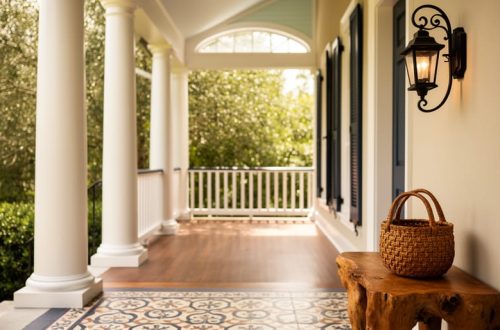
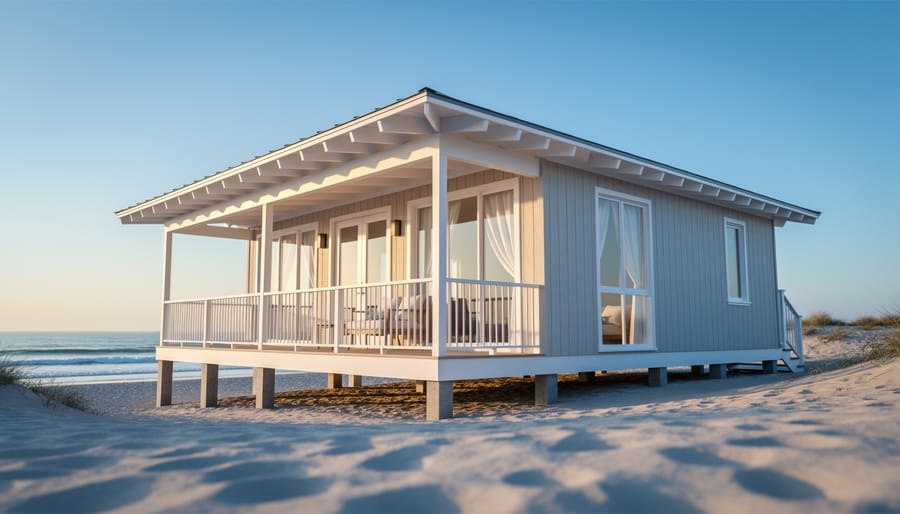
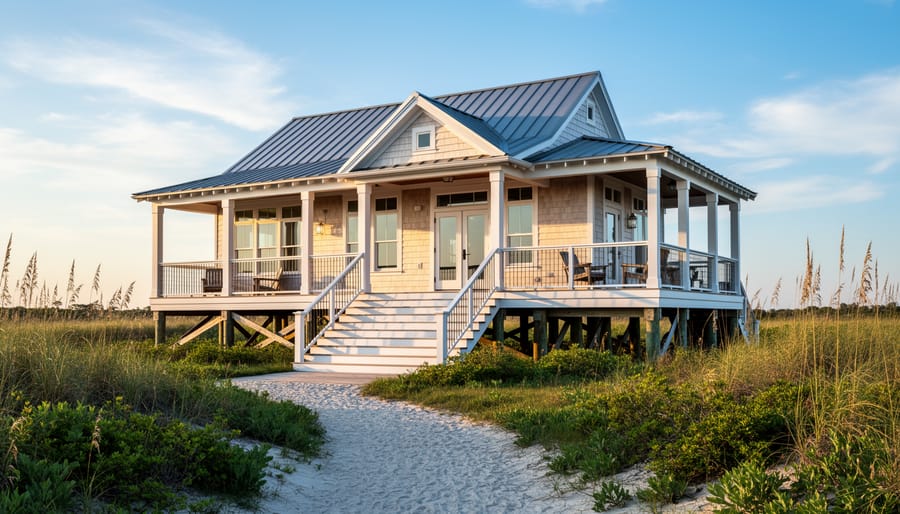
Raising the house up was one of the oldest tricks. Cottages on piers or stilts let floodwater and storm surge pass underneath while breezes cooled the floor above. In the Lowcountry, homes often sat a full story off the ground, with deep porches wrapped around the front and sides. Those porches did real work. They shaded the walls, gave the family a place to catch a breeze, and kept rain off open windows.
Along the Gulf Coast, builders leaned on tall ceilings, generous overhangs, and shutters that could close tight against a squall. Windows were placed across from one another so air could move straight through the rooms. Metal roofs shed heavy rain and held up against salt and sun.
None of this was meant to be pretty at first. The beauty came as a happy side effect of sensible choices: the rhythm of porch columns, the shadow lines of wide eaves, the weathered gray of wood left to age. That practical wisdom is exactly why these forms still feel so right today.
How Coastal Architecture Works: Designing for Salt, Sun, Wind, and Water
Materials and Finishes That Stand Up to the Coast
The coast is tough on a house. Salt air eats at metal, sun fades color, and humidity swells anything that can’t handle moisture. The good news is that the materials built to survive those conditions also happen to give coastal homes their signature look.
Here’s a quick rundown of the workhorses:
- Cedar siding and shingles: naturally rot-resistant, and it weathers to a soft silver-gray that feels right at home by the water.
- Fiber cement: holds paint beautifully and shrugs off moisture and pests, giving you crisp clapboard lines without constant upkeep.
- Standing-seam metal roofing: sheds rain and sheds wind-driven debris, and its clean lines add a cool, polished finish.
- Stainless steel, bronze, or hot-dip galvanized hardware: resists corrosion, and a little patina only adds character.
- Composite or marine-grade decking: stands up to damp and sun, so your porch keeps looking good season after season.
Don’t overlook what’s overhead, either. The right porch ceiling material can handle humidity and still deliver that breezy, light-filled glow.
Finishes matter just as much as materials. Soft whites, sandy creams, faded blues, and sea-glass greens are popular for a reason: they age gracefully. When the sun bleaches them a shade or two, the house just looks lived-in and loved rather than worn out.
Smart building goes beyond finishes, too. Plenty of coastal communities rely on elevating homes above flood levels, and the same weather-wise thinking guides every material choice above.
Styles of Coastal Architecture: A Tour from Cottage to Contemporary
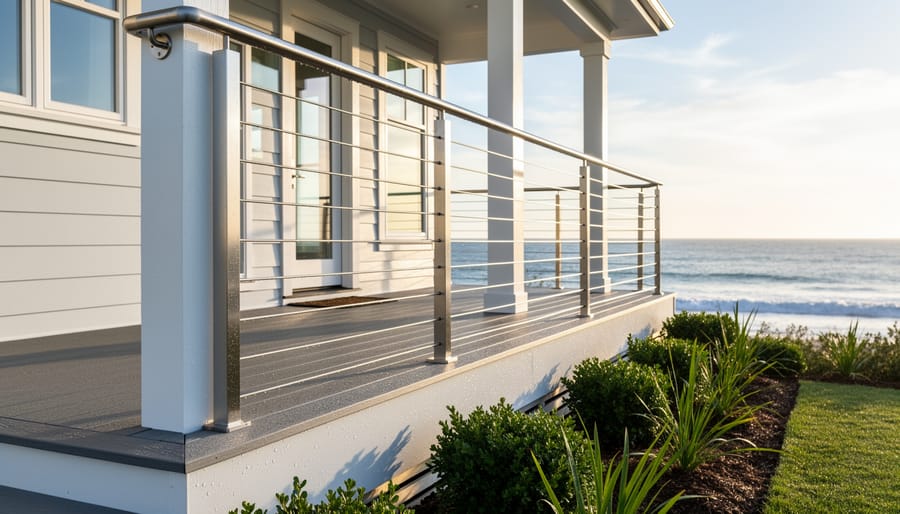
Coastal homes come in more flavors than most folks realize, and each one tells you something about the shoreline it grew up on. Once you know what to look for, you can spot them from the road.
Here’s a quick field guide to the hallmark features of each style:
- Raised Lowcountry and Gulf Coast cottages: tall piers or pilings, deep wraparound porches, tin or metal roofs, and tall windows that catch every breeze.
- Cape Cod and shingle-style homes: steep gabled rooflines, weathered cedar shingles, white trim, and tidy dormers.
- Caribbean-influenced and Florida-style beach houses: bright pastel walls, shuttered windows, hipped roofs, and open breezeways.
- Modern coastal homes: clean lines, expansive glass, mixed natural materials, and decks that stretch toward the water.
The raised cottage is the one most people picture when they think of the Southern shore. Lifting the living space off the ground kept floodwater and damp away, and those generous porches did double duty as shade and outdoor rooms. Along the Gulf, you’ll often see them tucked beneath live oaks, with tin roofs that shed rain and hold up well against salt air.
Cape Cod and shingle-style houses came down from New England, but Southern shorelines have made them their own. Down here, builders tend to add wider porches, lighter paint on the trim, and bigger windows to welcome the warmth rather than hold it out. The shingles silver beautifully with age, which is part of the charm.
Caribbean and Florida beach houses lean into color and ventilation. Think soft coral, seafoam, or butter yellow, paired with louvered shutters that can close against a storm or tilt open for air. Many sit on stilts, too, borrowing that practical wisdom from the older cottages.
Then there’s the modern coastal home, where walls of glass frame the water like a living painting. Even here, Southern builders often keep a porch or deep overhang to temper the sun, which means the newest designs still nod to the oldest traditions.
Coastal Aesthetics Inside and Out: The Look That Defines the Style
The look people call “coastal” starts with the bones of the house and finishes with what you put inside it. Architecture sets the stage, and the decorating gets to play.
Begin with color. The palette comes straight from the shoreline: warm sand, soft seafoam, weathered gray, and the pale blue of an early morning sky. Walls in these gentle tones bounce light around rather than swallowing it, which is exactly why they work so well in rooms with big windows.
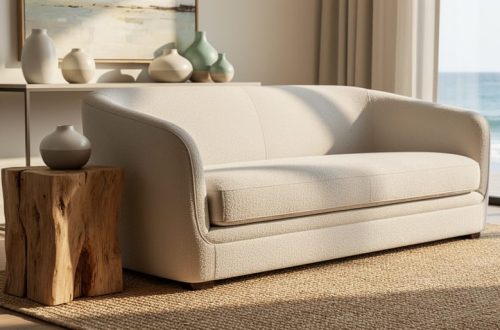
Then there’s texture. Coastal homes lean on natural materials like whitewashed wood, woven seagrass, rattan, linen, and jute. Nothing feels too shiny or too precious. A little wear is part of the charm, and a piece that looks sun-faded and well loved fits right in. If you enjoy mixing in character pieces, vintage Southern decor sits comfortably beside all that natural texture and adds a bit of storied warmth.
Light and flow do the rest of the work. Open floor plans let sea breezes and daylight travel from room to room. Tall windows, glass doors, and wide porches blur the line between inside and out, so the view becomes part of the décor. A screened porch with comfortable seating feels like an extra living room.
Here’s the part worth remembering: those airy rooms and generous openings were built for the climate first. The beauty follows the function, and that’s why a coastal home feels so effortlessly at ease.
How Coastal Architecture Is Used: Bringing the Style Home
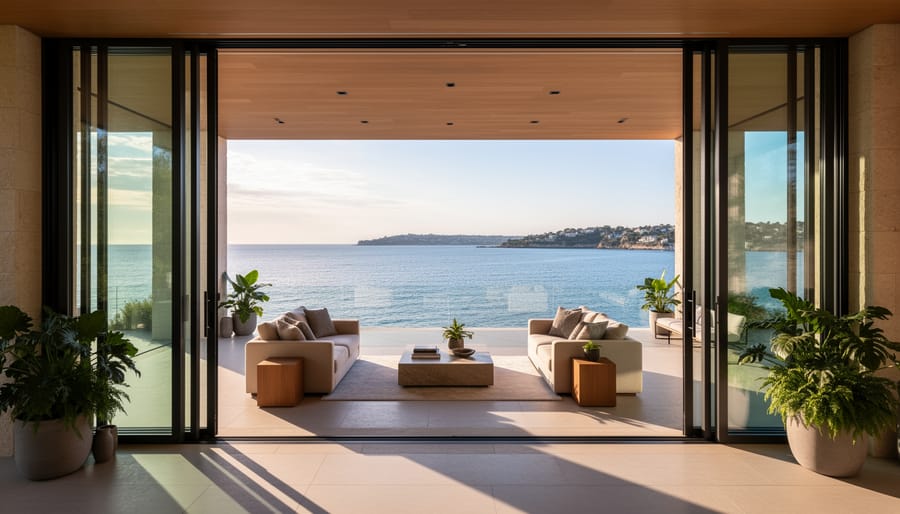
Coastal architecture isn’t only for folks building on the water. Plenty of homeowners put the style to work in a few different ways, and the right one depends on where you’re starting.
If you’re building new on a beach or waterfront lot, the design decisions come first: raising the home above flood levels, orienting windows toward the view, and shaping porches and overhangs to catch breezes and shade the afternoon sun. Getting those basics right early saves heartache later, and it’s what lets a house feel like it truly belongs to its spot.
Renovating an inland home is where a lot of the fun happens. You can borrow coastal character without a single grain of sand nearby. A deeper front porch, a wider set of windows, or a lighter, brighter palette can change how a house feels almost overnight. Even a modest update can bring in that easy, light-filled energy.
Here are some approachable ways to bring the look home:
- Add or expand a porch to create a shaded spot for sweet tea and slow evenings.
- Install shutters in a soft, weathered color for instant cottage charm.
- Upgrade to larger windows or French doors to pull in light and views.
- Paint ceilings in a pale blue or whitewash to echo the sky.
- Add shiplap or beadboard on walls or ceilings for classic texture.
- Swap in a ceiling fan to keep air moving the way coastal homes always have.
If a big project isn’t in the cards, small touches go a long way. Think natural fibers, sun-faded linens, and open shelving. Smart built-in furniture can also make rooms feel airy and uncluttered, much like the thoughtful, space-savvy layouts of a well-designed beach cottage.
Start with one change that speaks to you, and let the rest follow in its own time.
Common Questions About Coastal Architecture
Folks often ask a handful of the same things when they start dreaming about coastal design, so let’s tackle them head-on. Here are the questions that come up most.
Do you have to live on the water to use coastal architecture?
Not at all. Plenty of homeowners miles from the shore borrow coastal ideas like deep porches, big windows, and airy layouts. The full storm-and-salt engineering matters most near the water, but the look and the livability travel well.
What is the difference between coastal and beach house style?
Coastal is the broader family, covering everything from Lowcountry cottages to modern glass homes. Beach house style is one relaxed, casual branch of it, usually a bit more laid-back and vacation-minded.
Are raised foundations required in coastal areas?
It depends on your local flood zone and building codes, so check with your local building office before you plan anything. In flood-prone areas, elevating the home is often a smart and sometimes required choice, and it’s part of why so many Southern shoreline houses sit up on piers or stilts.
What colors are typical of coastal exteriors?
Think soft and sun-washed: weathered grays, creamy whites, pale blues, and sandy neutrals. Many homes add a pop of color on the door or shutters for a little personality.
If you’re still wondering how a particular idea might fit your own home, take a walk around your property and notice where the breeze comes through and where the light lands. Those little observations are exactly where good coastal design begins, and they’ll guide you toward changes that feel right for your place.
At its heart, coastal architecture is a conversation between a home and the water it sits beside. The raised foundations, deep porches, breezy layouts, and weathered finishes all started as smart answers to salt, sun, and storms. Over time, those answers became the look so many of us love, proof that a house can be sturdy and beautiful at once.
Southern shorelines have been teaching that lesson for generations, and their wisdom still holds up. Now that you know what to look for, take a fresh walk around your own place. Notice where the light pours in, where the breeze finds its way through, and where a porch or a larger window might invite a little more of the outdoors inside.
If you’re hungry for more ideas, you’ll find plenty of coastal inspiration right here on South Shore Décor. Pour yourself some sweet tea, stay a while, and let the tide carry you toward home.