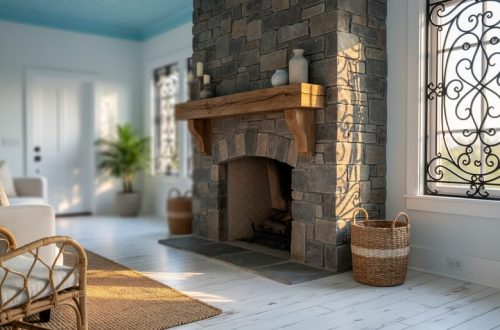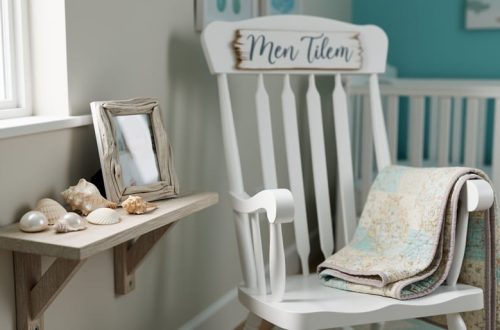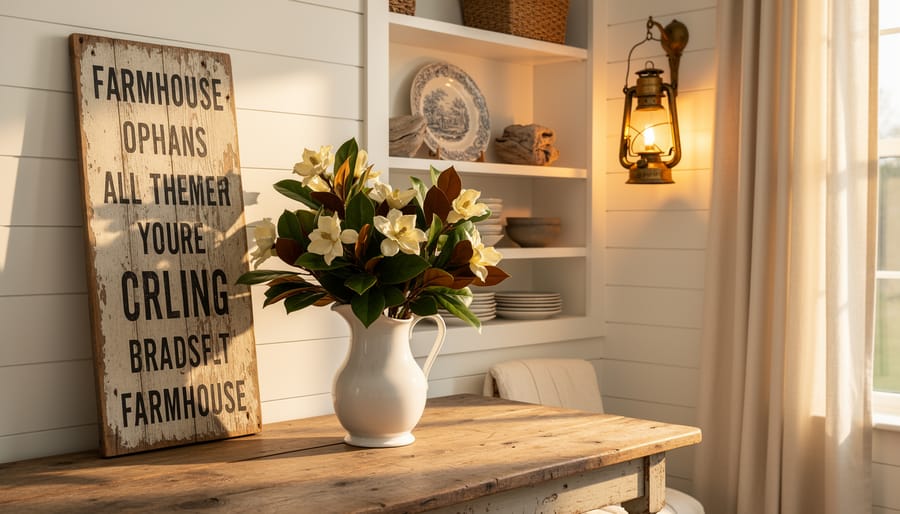
There’s something magical about walking into a room where a weathered wooden sign leans against freshly painted shiplap, or an antique brass lantern casts warm light across linen curtains. Vintage home decor carries stories that brand-new furnishings simply can’t replicate. The patina on a farmhouse table, the gentle wear on a ladder-back chair, the faded elegance of transferware platters displayed on open shelving. These pieces don’t just fill space. They anchor a home in something real, something lived-in.
The beauty of vintage decorating, especially for those of us drawn to Southern and coastal aesthetics, lies in how perfectly these older treasures complement the airy, welcoming spaces we love. A vintage ironstone pitcher becomes the ideal vessel for fresh magnolia branches. Reclaimed window frames transform into mirrors that reflect both light and character. The hunt for these pieces takes you to estate sales on Saturday mornings, antique malls tucked into old tobacco warehouses, and online marketplaces where one person’s castoff becomes your home’s centerpiece.
Right now in 2026, we’re seeing a beautiful shift away from the stark minimalism that dominated recent years. Homeowners want warmth, authenticity, layers of texture and history. Vintage decor delivers exactly that, particularly when woven into coastal Southern plans that celebrate natural materials and relaxed sophistication.
Whether you’re furnishing your first home or refreshing spaces you’ve loved for years, understanding how to source authentic pieces, style them with intention, and keep your vintage collections feeling fresh throughout the seasons will transform the way you approach decorating.
Why Vintage Home Decor Feels Right at Home in the South
Southern homes have always held onto things that matter. Walk into any grandmother’s house from Charleston to Galveston and you’ll find cabinets filled with china handed down through generations, mantels displaying inherited silver, and furniture that’s outlived its original owners. This isn’t hoarding or nostalgia, it’s a cultural practice of honoring what came before while making it useful today.
Vintage home decor taps directly into this Southern tradition of preservation and storytelling. Each piece carries a history that new furnishings simply can’t replicate. That weathered farmhouse table didn’t just appear distressed from a factory; it hosted decades of family dinners. The brass chandelier with its gentle patina once lit a parlor where real conversations happened. These objects become conversation starters and connections to a broader narrative about place and people.
The coastal South adds another layer to vintage’s appeal. Homes near the water naturally embrace the worn, sun-bleached aesthetic that vintage pieces already possess. A time-softened wooden mirror or salt-glazed pottery doesn’t fight against coastal design principles, it enhances them. The same weathering that happens to driftwood and dock pilings makes vintage furnishings feel authentic in these environments.
Beyond aesthetics and heritage, vintage decorating aligns with growing awareness about consumption and waste. Reusing what already exists rather than buying newly manufactured goods resonates with people reassessing their purchasing choices. In the South, where family legacy already carries weight, this sustainable approach feels less like a trend and more like returning to common sense our grandparents practiced all along.
Where to Source Authentic Vintage Pieces
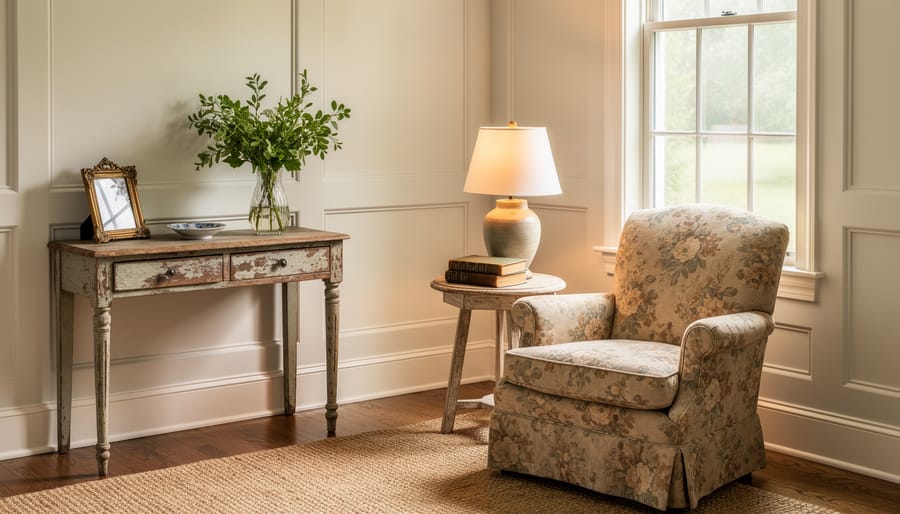
Estate Sales and Antique Shops
Estate sales remain treasure troves for vintage home decor, especially in smaller Southern towns where generations of families have accumulated beautifully preserved pieces. Arrive early for the best selection, but don’t overlook late-afternoon visits when dealers have left and sellers become more willing to negotiate.
Building relationships with local antique shop owners pays dividends beyond a single purchase. Share what you’re searching for, ask about upcoming estate liquidations, and visit regularly so dealers remember your taste. Many keep contact lists for customers interested in specific items like blue-and-white porcelain or vintage quilts.
Southern towns off the beaten path often hide the most authentic finds. Places like small mill towns or historic farming communities frequently host estate sales packed with original farmhouse tables, ironstone pitchers, and hand-stitched linens that never made it to trendy markets. Check local newspapers, community bulletin boards, and Facebook groups for announcements.
When evaluating pieces, examine joints on furniture, check glass and ceramics for hairline cracks, and open drawers to assess condition. Gentle wear adds character, but structural damage requires repair skills or professional restoration. Trust your instincts, if a piece speaks to you and fits your budget, it’s probably right for your home.
Online Marketplaces and Vintage Communities
Online shopping has opened remarkable doors for vintage home decor collectors, but success requires a sharper eye than in-person hunting. Start with platforms like Chairish, 1stDibs, and Etsy’s vintage categories, where sellers often provide detailed photos and provenance. Facebook Marketplace and estate sale websites serving Southern regions frequently list pieces before they hit stores, giving you first access to locally-sourced treasures.
Master the search by using specific terms, “ironstone pitcher” beats “white vase,” and “brass candlesticks” outperforms generic “vintage decor.” Save searches and check daily, since quality pieces move fast in 2026’s competitive market.
When evaluating photos, zoom in on joint construction, hardware patina, and wear patterns that indicate genuine age rather than distressed reproductions. Request additional images of backs, undersides, and any damage. Reliable sellers photograph flaws honestly. For higher-value purchases, principles of assessing collectible authenticity apply, ask about maker’s marks, materials, and history.
Join online vintage communities and regional collector groups where members share finds, authenticate pieces, and sometimes sell from personal collections. These connections often lead to off-market opportunities and mentorship that transforms your collecting instincts.
Coastal Markets and Architectural Salvage
Coastal architectural salvage yards are treasure troves for vintage home decor enthusiasts drawn to weathered textures and maritime history. Look for reclaimed ship’s wheels, porthole mirrors, salvaged dock pilings that make stunning table bases, and weathered wooden shutters perfect for Southern coastal walls. Nautical rope, vintage boat cleats, and salvaged barnwood beams add authentic character that new reproductions can’t match. Many Southern coastal towns host regular salvage markets where old fishing shacks, demolished beach cottages, and retired lighthouses find new life as decor. Seek out pieces with genuine patina, sun-bleached wood, rust with character, and hardware worn smooth by salt air, that tell coastal stories while grounding your space in regional heritage.
Styling Vintage Decor in Modern Southern Homes
The Art of the Mix: Balancing Old and New
The secret to incorporating vintage home decor lies in restraint and intention. Start with the 80/20 principle: let 80 percent of your furnishings be modern or functional pieces that anchor the room, while the remaining 20 percent comprises carefully chosen vintage treasures. This balance prevents spaces from feeling frozen in time while giving your vintage finds room to breathe and command attention.
Arrange furniture to create natural conversation zones around a single statement vintage piece, perhaps a weathered farmhouse table or an antique sideboard. Position seating to face these focal points, drawing the eye to the vintage element without overwhelming the space. The key is letting each vintage item tell its story without competing for attention.
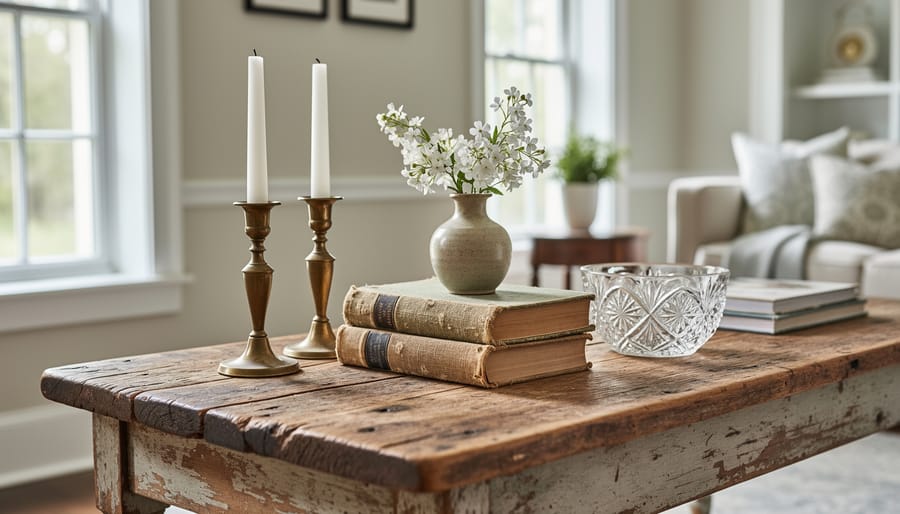
Group smaller vintage accessories in odd numbers on open shelving or mantels, mixing them with contemporary objects to create visual rhythm. A vintage ironstone pitcher gains presence when flanked by modern candlesticks, while antique books stack beautifully beneath a sleek table lamp. This layered approach honors Southern hospitality’s warmth while maintaining a livable, uncluttered aesthetic that feels collected over time rather than staged.
Vintage Decor for Coastal and Southern Aesthetics
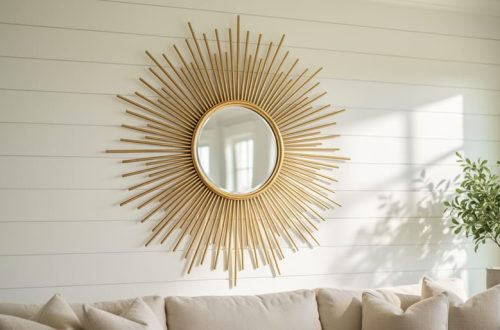
Certain vintage pieces feel tailor-made for Southern coastal spaces. A weathered wood mirror with traces of original paint captures that saltwater-worn character, the kind of piece that looks like it hung in a beach cottage for decades. If you’re drawn to something with more presence, a vintage sunburst mirror brings refined coastal elegance above a mantel or console table.
Antique linens work beautifully in Southern homes. Look for hand-embroidered tea towels, monogrammed guest towels, or vintage tablecloths in soft whites and creams that layer texture without adding visual weight. Botanical prints from old field guides or seed catalogs bring Southern garden heritage indoors, frame them in simple wood to let the artwork shine.
Reclaimed architectural elements ground coastal spaces with authentic character. A salvaged shutter pair becomes a headboard, vintage corbels create shelf supports, or a weathered window frame displays family photos. These pieces carry stories while adding the depth that makes Southern coastal design feel lived-in rather than decorated.
Room-by-Room Vintage Applications
Living rooms shine when you anchor the space with one statement vintage piece, a carved wooden mantel, an antique secretary desk, or a weathered farm table used as a console. Layer in smaller finds like vintage botanical prints, mercury glass lamps, or a collection of old books on open shelving. In kitchens, display antique ironstone on open shelves, hang vintage copper pots as functional art, or incorporate a refurbished pie safe for charming storage. Bedrooms welcome vintage quilts as bedspreads or wall hangings, antique dressers that add character, and vintage linens that bring softness. Don’t overlook porches, where Southern living truly happens, vintage wicker chairs, salvaged shutters as wall decor, and weathered planters create inviting outdoor rooms. For bathrooms, incorporate elements like apothecary jars, antique mirrors, or repurposed furniture as vanities, much like you’d find in a vintage beach bathroom with coastal charm.
Seasonal Vintage Refreshes Throughout the Year
Spring and Summer Coastal Vintage
When warmer weather arrives, Southern homes naturally shed their heavier layers and embrace the lightness of coastal living. This is when your vintage collection shines brightest, airy white ironstone pitchers clustered on open shelves, vintage botanical prints in weathered frames catching the morning light, and antique wicker chairs inviting lazy afternoons on the porch. These pieces don’t just decorate; they create the breezy, relaxed atmosphere that defines Southern summers.
White and cream vintage textiles become essential in spring and summer styling. Antique linen tablecloths, embroidered pillowcases turned into cushion covers, and vintage chenille bedspreads add texture without visual weight. Look for pieces with drawn threadwork or crochet edging at estate sales, they layer beautifully and wash up surprisingly well for regular use in guest rooms or sunrooms.
For outdoor spaces, vintage lanterns bring atmospheric charm to porches and patios when fitted with LED candles. Pair them with galvanized metal buckets filled with hydrangeas, vintage garden tools hung as wall art, and weathered shutters repurposed as display backdrops. Coastal vintage finds like rope-handled trays, nautical signal flags, and painted fish decoys create conversation pieces that celebrate waterfront heritage. The key is choosing items that can handle humidity and occasional moisture while maintaining that effortlessly elegant Southern coastal feel.
Fall and Winter Vintage Warmth
As temperatures drop and evenings stretch longer, vintage pieces become the soul of a cozy Southern home. Heavy quilts, whether hand-stitched Appalachian designs or faded floral patterns from grandmother’s hope chest, transform beds and reading nooks into warm retreats. Drape them over the foot of a bed, fold one across a porch rocker, or layer two mismatched patterns for depth that store-bought throws can’t match.
Copper cookware moves from kitchen storage to displayed warmth during cooler months. Arrange vintage copper pots on open shelving, hang them above a farmhouse sink, or cluster them near the stove where they catch firelight. Their burnished glow brings richness without fussiness.
Vintage holiday decor deserves its moment beyond December. Mercury glass ornaments, tarnished silver candlesticks, and well-worn nativity figures create layers of meaning when mixed with fresh greenery. Look for vintage bottle brush trees, ceramic figurines, and hand-painted ornaments that reference Southern traditions.
Build warmth through intentional layering: stack vintage books beside a reading chair, display a collection of ironstone pitchers on a mantel, or group amber glass bottles where afternoon light filters through. These cooler seasons reward the depth and patina that only genuine vintage pieces provide, turning your home into a refuge that honors both comfort and heritage.
Vintage Decor DIY Projects and Restoration
Working with vintage pieces doesn’t require expertise in antique restoration. Most finds just need thoughtful care and minor updates to become functional again. The goal is preserving the soul of each piece while making it work for everyday Southern living.
Start with the gentlest approach and work up only as needed. Many vintage items simply need proper cleaning rather than restoration. Here’s how to bring pieces back to life safely:
- Dust thoroughly with a soft brush or microfiber cloth, working top to bottom to avoid redistributing dirt.
- Test any cleaning solution on an inconspicuous spot first, waiting 24 hours to check for damage or discoloration.
- For wood pieces, use a damp cloth with mild soap, then dry immediately, never soak vintage wood or leave it wet.
- Clean metal hardware with equal parts white vinegar and water, then polish gently with a soft cloth to restore shine without harsh chemicals.
- Address loose joints or wobbly legs with wood glue applied sparingly, clamping until dry to maintain structural integrity.
Small repairs make big differences. Tighten screws that have loosened over decades. Replace missing drawer pulls with period-appropriate hardware from salvage shops. Touch up scratches on painted pieces with artists’ acrylics matched to the original color, then seal with matte finish.
Creative upcycling transforms pieces while honoring their history. An old window frame becomes framed fabric art displaying vintage botanical prints or coastal toile. Salvaged shutters gain new purpose as headboards or room dividers. Antique crates stack into charming storage for porches or mudrooms.
Vintage linens deserve gentle hand washing in cool water with pH-neutral soap. Skip the dryer, line drying in Southern sunshine naturally brightens whites without bleach damage. Press with a warm iron while slightly damp for crisp results that showcase delicate details.
The best projects preserve patina rather than erasing it. That worn paint and tarnished brass tells the story. Your job is simply making each piece stable, clean, and ready for its next chapter in your home.
Building Your Vintage Collection Thoughtfully
Starting a vintage collection works best when you approach it like building a wardrobe, one thoughtfully chosen piece at a time. Begin with an anchor piece that speaks to you and suits your space: a farmhouse table, a weathered hutch, or a statement mirror. This foundation piece sets the tone for everything else and keeps you from accumulating random items that don’t work together.
Resist the urge to fill every corner immediately. The hunt itself becomes part of the pleasure, and patience rewards you with pieces that genuinely enhance your home rather than clutter it. When something catches your eye, sleep on it. If you’re still thinking about it the next day, it’s probably worth going back for.
Quality beats quantity every time in vintage home decor. A single well-made piece with authentic patina holds more visual impact than a dozen mediocre items. Look for solid construction, repairable flaws, and materials that age beautifully, solid wood, brass hardware, thick glass, and hand-painted details. These pieces gain character over time instead of just wearing out.
Consider how each piece fits your actual lifestyle. A gorgeous vintage dish set that you’re afraid to use won’t bring you much joy. The best collections blend beauty with function, honoring Southern traditions of using your good things instead of just displaying them.
Pay attention to scale and repetition. Three vintage ironstone pitchers create a vignette; twelve pitchers create chaos. Stick to a loose color palette that complements your home’s existing tones, creamy whites, worn blues, or weathered wood tones that echo coastal landscapes work beautifully in Southern spaces.
Your collection should tell your story, not someone else’s. The pieces you live with daily matter more than market values or trends.
Bringing vintage home decor into your space is more than arranging pretty things on shelves. It’s about weaving your own story into the rich tapestry of Southern traditions, where every weathered piece carries memories and every carefully chosen treasure adds another layer to your home’s narrative. Whether you lean toward breezy coastal finds or heirloom farmhouse pieces, vintage decorating lets you honor the past while creating something entirely your own.
The beauty of this journey is that it never really ends. Your collection will grow and shift with the seasons, with your evolving taste, and with the unexpected discoveries waiting at the next estate sale or tucked away in a coastal antique shop. You don’t need a house full of vintage pieces to start, a single mirror, one well-loved quilt, or a weathered architectural salvage piece can anchor your vision.
Start where you are. Pick one room, find one piece that speaks to you, and let your vintage story unfold from there. Your Southern home is ready for the character only time-worn treasures can bring.